
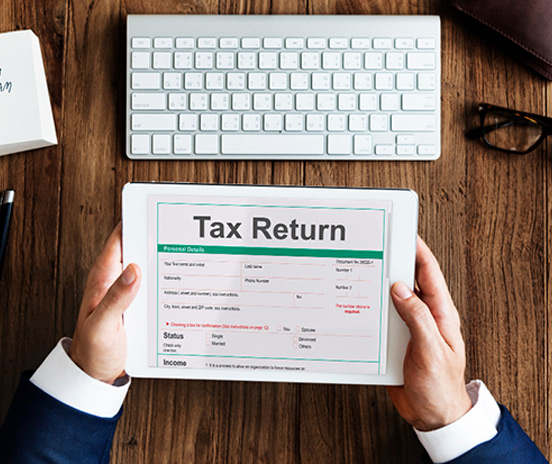
The Illinois Individual Income Tax Return (Form IL-1040) is the official state filing used by Illinois residents, part-year residents, and certain nonresidents to report income and calculate annual tax liability under the Illinois Income Tax Act, 35 ILCS 5/1 et seq. Illinois uses federal adjusted gross income as the starting point for calculating state tax, then applies state-specific modifications, exemptions, and credits to determine Illinois base income and final liability.
Filing an Illinois return establishes the taxpayer’s reported income, deductions, and credit claims and creates enforceable compliance obligations. Errors such as underreporting income, claiming unsupported credits, using the wrong residency classification, or failing to include required schedules may result in:
- Refund delays
- Notices of deficiency
- Interest and civil penalties
- Audit review
- Criminal enforcement in serious cases
Illinois’s tax system differs from both the federal system and neighboring states. Illinois applies a flat individual income tax rate, while states such as Wisconsin, Missouri, Iowa, and Indiana use different rate structures, deduction rules, and filing procedures. These distinctions are particularly important for taxpayers with multi-state income, relocation during the tax year, or taxes paid to another jurisdiction.
Illinois also maintains reciprocal withholding agreements with Iowa, Kentucky, Michigan, and Wisconsin for certain wage income. Improper application of these rules can result in duplicate withholding, denied credits, or conflicting residency determinations.
Selecting the correct filing status and residency classification is, therefore, a critical procedural step. Full-year residents, part-year residents, and nonresidents are subject to different reporting requirements, and filing the wrong form or classification can delay processing and trigger additional review by the Illinois Department of Revenue.
Using incorrect or outdated filing documents can result in rejected submissions, processing delays, or compliance issues. Access jurisdiction-specific, court-ready templates and updated filing tools through the RunSensible Forms Library, or Find the Right Law Forms Online to locate current forms for your jurisdiction.
What the Illinois Income Tax System Can Require, Grant, or Restrict
The Illinois income tax system imposes mandatory reporting and payment obligations while also providing access to state-specific credits and exemptions. Taxpayers must report Illinois-source income, withholding, and applicable adjustments through Form IL-1040 and supporting schedules, which together determine final tax liability or refund eligibility. Illinois grants several credits that may reduce tax liability, including the Property Tax Credit, Earned Income Credit, and the credit for taxes paid to other states. These benefits must be properly claimed with the required schedules and supporting documentation; unsupported or incomplete claims may be denied during review.
Certain income excluded federally may remain taxable in Illinois, while some federally taxable income, including Social Security benefits and most qualified retirement distributions, is exempt under Illinois law. Illinois tax liability is therefore calculated independently rather than as a direct extension of the federal return. The filing process also serves an enforcement function. The Illinois Department of Revenue cross-checks state filings against federal reporting records and may assess penalties, interest, liens, or other enforcement actions for underreporting, nonpayment, or unsupported claims.
Common Stages of the Illinois Tax Filing Process
The Illinois tax filing process requires taxpayers to calculate state tax liability using federal income information, Illinois-specific adjustments, and supporting schedules. Proper completion of each stage helps ensure compliance, avoid processing issues, and preserve eligibility for available credits and exemptions.
Step 1: Determine Filing Status and Residency
The filing process begins with determining whether the taxpayer is a full-year resident, part-year resident, or nonresident with Illinois-source income. Residency classification controls how income is reported, which schedules are required, and whether Schedule NR must be completed. Errors at this stage can affect the entire return and may trigger additional review or amended filings.

Step 2: Gather Income Records and Supporting Documents
Illinois calculations begin with federal adjusted gross income, making the federal return and supporting records essential before preparing Form IL-1040. Taxpayers should collect W-2s, 1099s, withholding records, property tax documentation, and records supporting any credits, subtractions, or taxes paid to other states. Missing documentation is a common cause of filing errors and delayed processing.
Step 3: Complete Form IL-1040 and Required Schedules
Taxpayers calculate Illinois base income by applying state-specific additions and subtractions through Schedule M. Additional schedules may include:
- Schedule IL-E/EIC for exemptions and Earned Income Credit
- Schedule CR for taxes paid to other states
- Schedule ICR for property tax and education credits
- Schedule NR for part-year residents and nonresidents
- Schedule IL-WIT for Illinois withholding reconciliation
All figures must reconcile with supporting W-2s, 1099s, and federal reporting records. Inconsistencies may result in refund holds or deficiency notices.
Step 4: File the Return and Pay Any Balance Due
Form IL-1040 is generally due April 15. Illinois grants an automatic six-month extension to file, but not an extension to pay taxes owed. Taxpayers requesting additional time must submit any estimated balance due by the original deadline to avoid penalties and interest. Returns may be filed electronically through MyTax Illinois or submitted by mail using the appropriate payment voucher and filing instructions.
Step 5: Retain Proof of Filing and Monitor Processing
Taxpayers should retain copies of all submitted forms, payment confirmations, certified mail receipts, or electronic filing acknowledgments. After submission, the Illinois Department of Revenue may issue refunds, request additional documentation, or send notices regarding discrepancies, assessments, or deficiencies. Failure to respond timely to official notices can result in additional penalties or enforcement action.
The Documents and Forms That Drive the Process
Illinois income tax compliance depends on a coordinated group of forms and schedules that report income, calculate liability, reconcile withholding, allocate multi-state income, and document payments. Each document serves a separate procedural purpose within the filing system, and incomplete or inaccurate filings may result in delayed refunds, denied credits, notices of deficiency, or penalty assessments.
Form IL-1040, Illinois Individual Income Tax Return
Form IL-1040 is the primary Illinois individual income tax return and the foundation of the filing process. The form reports federal adjusted gross income, Illinois base income, exemptions, credits, withholding, estimated payments, and the final balance due or refund amount.
The return must be completed using figures calculated through supporting schedules, including Schedule M, Schedule IL-E/EIC, Schedule CR, and Schedule ICR. Part-year residents and nonresidents must also attach Schedule NR. The form is signed under penalty of perjury, meaning inaccurate reporting, omitted income, or unsupported credits may expose the taxpayer to penalties, audits, or further enforcement action.
Schedule M, Other Additions and Subtractions for Individuals
Schedule M adjusts the federal adjusted gross income to arrive at the Illinois base income by applying state-specific additions and subtractions. Common subtractions include Social Security benefits, qualifying retirement income, and contributions to certain Illinois college savings plans. Additions may include deductions allowed federally but not recognized under Illinois law.
Because Illinois does not fully mirror federal tax treatment, Schedule M is often critical to calculating the correct Illinois liability. Failure to report required additions or overlooking allowable subtractions can materially affect the final tax calculation.
Schedule IL-E/EIC, Illinois Exemption and Earned Income Credit
Schedule IL-E/EIC calculates personal exemptions, dependent exemptions, and the Illinois Earned Income Credit. Taxpayers claiming dependents, age-based exemptions, blindness exemptions, or earned income credits must complete this schedule accurately.
The Illinois Earned Income Credit is tied to the federal Earned Income Tax Credit calculation, making accurate federal reporting essential. Incorrect dependent information or unsupported exemption claims may result in reduced credits, refund delays, or requests for additional documentation.
Schedule CR, Credit for Tax Paid to Other States
Schedule CR allows Illinois residents to claim a credit for income taxes paid to another state on income also taxed by Illinois. The schedule requires taxpayers to allocate income between jurisdictions and calculate the allowable credit limitation under Illinois law.
Taxpayers generally must retain copies of other state returns, proof of payment, and income allocation records to substantiate the claimed credit. Incomplete calculations or unsupported claims may result in credit disallowance and additional tax assessments.
Schedule ICR, Illinois Credits
Schedule ICR calculates several Illinois-specific credits, including the Property Tax Credit and certain education-related credits. Eligibility depends on statutory requirements and supporting payment documentation.
The Property Tax Credit applies only to qualifying Illinois property taxes paid on a principal residence. Credits claimed without proper documentation or outside statutory limits may be reduced or denied during processing or audit review.
Schedule NR, Nonresident and Part-Year Resident Computation of Illinois Tax
Schedule NR is required for taxpayers who were nonresidents or part-year residents during the tax year. The schedule allocates income between Illinois and non-Illinois sources and determines the portion subject to Illinois taxation.
The form requires detailed income allocation across wage income, business income, investment income, and other categories. Failure to complete Schedule NR properly may result in incorrect tax calculations, refund adjustments, or additional correspondence from the Illinois Department of Revenue.
Schedule IL-WIT, Illinois Income Tax Withheld
Schedule IL-WIT reconciles Illinois income tax withholding reported on Forms W-2 and 1099. Taxpayers must list withholding amounts exactly as reported by employers and payers.
The Illinois Department of Revenue electronically cross-checks withholding claims against employer-filed records. Discrepancies between reported withholding and state records commonly trigger refund delays, verification requests, or withholding adjustments.
Form IL-1040-V, Payment Voucher for Individual Income Tax
Form IL-1040-V is the payment voucher used when submitting a paper payment with Form IL-1040. The voucher identifies the taxpayer, tax year, and payment amount so funds are properly credited to the correct account.
Submitting payments without accurate identifying information may result in payment misapplication, balance due notices, or collection activity while the payment issue is being resolved.
Form IL-505-I, Automatic Extension Payment for Individuals Filing Form IL-1040
Form IL-505-I is used to submit extension payments when additional time is needed to file an Illinois return. Illinois grants an automatic extension of time to file, but not an extension of time to pay taxes owed.
Taxpayers must estimate and pay any expected liability by the original filing deadline to limit penalties and interest. Filing Form IL-505-I without sufficient payment preserves the filing extension but does not prevent late-payment charges from accruing.
How the Forms Work Together
The Illinois filing system functions as an integrated procedural process. Form IL-1040 serves as the primary return, while supporting schedules calculate income adjustments, exemptions, credits, withholding, and residency allocations that feed directly into the final liability calculation.

RUT-50 Form Illinois Instructions: Step-by-Step Vehicle Use Tax Filing Guide
Payment vouchers, extension forms, withholding schedules, and filing confirmations complete the compliance process by documenting timely filing and payment. Missing schedules, inconsistent figures, or unsupported claims can interrupt processing and lead to penalties, refund holds, or enforcement action by the Illinois Department of Revenue.
Illinois tax filings require accurate schedules, withholding records, and payment documentation to avoid compliance issues. The RunSensible Forms Library offers updated Illinois filing forms and procedural templates, and Find the Right Law Forms Online helps users locate jurisdiction-specific legal forms quickly and efficiently.
Aftermath: Enforcement, Compliance, and Ongoing Obligations
An Illinois income tax return continues to carry legal and financial consequences after filing. Once a return is assessed, any unpaid tax, penalties, or interest become enforceable state obligations, and the Illinois Department of Revenue may pursue collection action without obtaining a separate court judgment.
Illinois may enforce unpaid liabilities through liens, wage garnishments, bank levies, refund offsets, and, in some circumstances, professional or business license actions. Interest continues to accrue on unpaid balances, and penalties for late filing or late payment can increase substantially over time.
Taxpayers who receive refunds later determined to be incorrect may receive a Notice of Erroneous Refund requiring repayment, often with additional interest. The Department may also adjust future refunds or assess additional tax if withholding, credits, or reported income are later found to be inaccurate.
Ongoing compliance obligations may continue into future tax years. Taxpayers expecting to owe more than $500 in Illinois income tax without sufficient withholding may be required to make quarterly estimated payments using Form IL-1040-ES. Failure to make adequate estimated payments can result in underpayment penalties calculated through Form IL-2210.
Changes in financial or residency circumstances may also require updated withholding or estimated payment calculations. Common triggering events include:
- Marriage or divorce
- Relocation into or out of Illinois
- Significant investment or business income
- Sale or purchase of a business
- Reduced withholding or increased self-employment income
Taxpayers should retain copies of filed returns, W-2s, 1099s, payment confirmations, schedules, and Illinois Department of Revenue correspondence for at least four years. These records may be required to support amended returns, defend audit examinations, verify withholding claims, or respond to collection notices.
If errors are discovered after filing, taxpayers may submit Form IL-1040-X to amend a previously filed return. Appeal rights may also continue after assessment through administrative review or judicial proceedings, but statutory filing deadlines apply and missed deadlines can limit the ability to challenge the assessment.
Common Mistakes and Best Practices
Illinois income tax filings are routinely cross-checked against federal records, employer withholding reports, and prior-year filings. Procedural errors, incomplete schedules, or unsupported claims can result in refund delays, deficiency notices, penalties, or audit review.
Common Mistakes
- Incorrect residency classification, especially for part-year residents and nonresidents who fail to complete Schedule NR
- Using the wrong forms or omitting required schedules such as Schedule CR, Schedule IL-E/EIC, or Schedule M
- Reporting withholding incorrectly on Schedule IL-WIT or failing to attach supporting W-2s and 1099s
- Filing after the deadline without paying the estimated balance due
- Failing to apply the reciprocal withholding rules correctly for Iowa, Kentucky, Michigan, or Wisconsin residents working in Illinois
- Missing signatures, Social Security numbers, or payment identifying information on Form IL-1040-V
- Mathematical errors, incomplete calculations, or omitted income items
- Claiming credits or deductions without adequate supporting documentation
Many of these issues can be corrected through Form IL-1040-X, but amended refund claims remain subject to statutory limitation periods.
Best Practices
- Maintain organized tax records, withholding documents, and payment confirmations throughout the year
- Use current-year Illinois forms, schedules, and filing instructions
- Review residency classification and multi-state income reporting carefully before filing
- Verify that all withholding reported on Schedule IL-WIT matches attached W-2s and 1099s
- Attach all required schedules and supporting documentation when claiming credits or exemptions
- File electronically with direct deposit to reduce processing delays and receive proof of timely submission
- Monitor estimated tax obligations if income, withholding, or residency circumstances change during the year
- Retain copies of filed returns, schedules, and supporting records in case of audit review, amended filings, or future disputes with the Illinois Department of Revenue
Accurate filing begins with using the correct Illinois forms, schedules, and payment documents for the applicable tax year. The RunSensible Forms Library provides updated, jurisdiction-specific filing templates designed to support procedural accuracy and efficient preparation, while Find the Right Law Forms Online helps users quickly locate compliant forms tailored to their filing and documentation requirements.
Final Thoughts
Filing an Illinois individual income tax return is a structured legal process that requires accurate reporting, complete documentation, and strict procedural compliance. Proper filing begins with selecting the correct residency classification, using the appropriate version of Form IL-1040, and completing all required schedules supporting income adjustments, exemptions, credits, withholding, and multi-state allocations.
The Illinois filing system operates as an integrated framework. Form IL-1040 functions as the primary return, while schedules such as Schedule M, Schedule IL-E/EIC, Schedule CR, Schedule ICR, Schedule NR, and Schedule IL-WIT supply the calculations and supporting information necessary to determine the final tax liability or refund. Missing schedules, inaccurate withholding reconciliation, or unsupported claims can interrupt processing and lead to notices, assessments, or refund delays.
Compliance obligations also continue after filing. Taxpayers may remain subject to amended return deadlines, audit review periods, estimated payment requirements, and collection procedures for unpaid balances. Maintaining organized records, monitoring withholding accuracy, and responding promptly to Illinois Department of Revenue correspondence remain essential parts of ongoing compliance.
A complete and timely filing supported by accurate records, correct schedules, and proper payment documentation satisfies both the procedural requirements and enforcement expectations of the Illinois Income Tax Act.

FAQs
What is the Illinois income tax rate for individuals?
Illinois imposes a flat income tax rate of 4.95 percent on the net income of individual taxpayers. Unlike states with graduated rate structures — such as Wisconsin or Iowa, which apply progressively higher rates as income increases — Illinois taxes all net income above the exemption threshold at the same rate, regardless of total income level. This flat rate has been in effect since the 2017 tax year, following a legislative increase from the prior rate of 3.75 percent.
Who is required to file an Illinois income tax return?
Any individual who was an Illinois resident for all or part of the tax year and had Illinois net income greater than their applicable exemption allowance is required to file Form IL-1040. Nonresidents who earned Illinois-source income — whether from employment in Illinois, Illinois rental property, or Illinois business activity — are also required to file and report that income, even if they have no obligation to file in Illinois based on residency. Illinois does not have a filing threshold based solely on gross income; the obligation is triggered when taxable net income exceeds the exemption amount.
What is the difference between Schedule CR and Schedule ICR?
Schedule CR addresses the credit for income taxes paid to other states or foreign countries. It prevents double taxation by allowing Illinois residents to offset their Illinois tax liability with taxes actually paid to another jurisdiction on the same income. Schedule ICR, by contrast, addresses Illinois-specific credits: the property tax credit (for principal residence property taxes paid to Illinois taxing bodies) and the K-12 education expense credit. These are entirely separate legal mechanisms, and conflating them — or failing to complete both when both apply — is a common and costly error.
What does Schedule NR require, and who must file it?
Schedule NR is required for any taxpayer who was a nonresident or part-year resident of Illinois during the tax year. It allocates the taxpayer’s total income between Illinois-source amounts and non-Illinois-source amounts, so that only the Illinois portion is subjected to Illinois income tax. Part-year residents must divide income based on the period during which they were Illinois residents, while nonresidents must attribute income based on the geographic source of each income item. The completed Schedule NR feeds a reduced income figure back into Form IL-1040, resulting in a proportionally lower tax liability than would apply if all income were taxed to Illinois.
What happens if I cannot file my Illinois return by April 15?
Illinois grants an automatic six-month extension to file — moving the deadline to October 15 — when Form IL-505-I is submitted by April 15. No application or pre-approval is required; the extension is automatic upon timely filing of IL-505-I. However, this extension applies only to the filing deadline, not the payment deadline. Any estimated tax balance due must be paid with Form IL-505-I by April 15 to avoid the imposition of penalties and interest on the unpaid amount. A taxpayer who files IL-505-I but pays nothing when a balance is owed will avoid the failure-to-file penalty but will incur failure-to-pay penalties and interest on the unpaid liability from the original due date.
How does Illinois treat retirement income for income tax purposes?
Illinois takes an unusually generous approach to retirement income relative to many other states. Distributions from qualified retirement plans — including 401(k) accounts, traditional IRAs, pensions from government employment, and most private sector defined benefit plans — are fully exempt from Illinois income tax. Social Security benefits are similarly exempt. These exclusions are claimed through Schedule M as subtractions from federal AGI, reducing the Illinois income tax base significantly for retirees. However, early distributions that would be subject to federal penalty (prior to age 59½ and not otherwise exempt) may not qualify for the Illinois retirement income exclusion in all circumstances, and taxpayers in that situation should verify their eligibility carefully.
What penalties apply for failing to file or pay Illinois income taxes?
The late filing penalty is 2 percent of the unpaid tax per month, capped at 25 percent of the total unpaid liability. The late payment penalty is also 2 percent per month, up to 25 percent. These penalties are cumulative in that a taxpayer who both fails to file and fails to pay can face both penalties simultaneously on the same unpaid balance. Interest accrues separately from penalties at the statutory rate set quarterly by the IDOR. Additionally, the IDOR can assess a 30 percent penalty for substantially understating income — generally where underreported income exceeds a defined threshold — and a 50 percent civil fraud penalty where intentional misrepresentation is found. Willful failure to file or pay may also constitute a Class 4 felony under 35 ILCS 5/2110 when the unpaid liability exceeds threshold amounts.
Can I amend my Illinois income tax return after filing?
Yes. Illinois taxpayers may file an amended return using Form IL-1040-X within three years of the original due date of the return (or three years from the date of actual filing if filed late). Amended returns may be filed to claim overlooked credits, correct income figures, change filing status where permitted, or report additional income discovered after the original filing. If the amendment results in additional tax due, that amount should be paid with the amended return to stop interest from continuing to accrue. If the federal return is also amended — and the amendment affects figures that flow into the Illinois return — the Illinois amended return generally must be filed within 120 days of the final federal adjustment to preserve the taxpayer’s right to any resulting Illinois refund.
Resources
- Illinois Income Tax Act — Illinois Compiled Statutes
https://www.ilga.gov/legislation/ilcs/ilcs5.asp?ActID=597&ChapterID=8 - MyTax Illinois — Illinois Department of Revenue Electronic Filing Portal
https://mytax.illinois.gov - Illinois Independent Tax Tribunal — Administrative Appeals
https://www.iit.illinois.gov - Illinois Legal Aid Online — Tax Filing Guidance for Low-Income Filers
https://www.illinoislegalaid.org/legal-information/filing-illinois-state-income-taxes
Disclaimer: The content provided on this blog is for informational purposes only and does not constitute legal, financial, or professional advice.
Contents
