What New York Vehicle Inspection Requirements Are
New York State has rules that say when and how vehicles must be inspected. These rules are in a document called CR‑79 from the New York DMV. They are based on the New York Vehicle and Traffic Law.
Most vehicles registered in New York must pass a safety inspection every year. Many also must pass an emissions inspection. If a car needs inspection and does not have a valid inspection sticker, the owner can get tickets or have trouble with registration.
For law firms, these rules affect traffic tickets, crash cases, and car sales. For drivers, they answer one basic question: what do you need to pass inspection in NY?
When a Vehicle Has to Be Inspected
Most vehicles in New York must be inspected once every 12 months. The inspection expires at midnight on the last day of the month printed on the sticker. After that date, you cannot legally drive the car on public roads until you pass inspection again.
You must also get a new inspection when the name on the registration changes. This often happens when you buy or sell a car. If you move to New York and your car has a current inspection from another state, New York usually accepts that inspection for up to one year or until it expires, whichever comes first.
In rare cases, the DMV can allow a short extension. A special extension sticker goes on the car to show this.
Which Vehicles Must Be Inspected (and Which Do Not)
Almost every motor vehicle registered in New York has to be inspected. This includes most cars, SUVs, pickup trucks, motorcycles, and many trailers. Dealers must inspect most vehicles they sell for use on public roads and must put a valid inspection sticker on them before you drive away.
Some vehicles are exempt from inspection. Common examples:
- Fire trucks (but not ambulances)
- Tractors used only for farm work
- Farm‑registered vehicles are used only to go between farm properties
- Road rollers, well drilling rigs, and other special‑purpose trucks
- Golf carts and snowmobiles
- Many limited‑use motorcycles and all‑terrain vehicles
Vehicles not registered in New York and house trailers used only as homes or offices are not inspected until they are registered for highway use.
Safety Inspection vs Emissions Inspection
New York uses two types of inspection:
- Safety inspection
- Emissions inspection
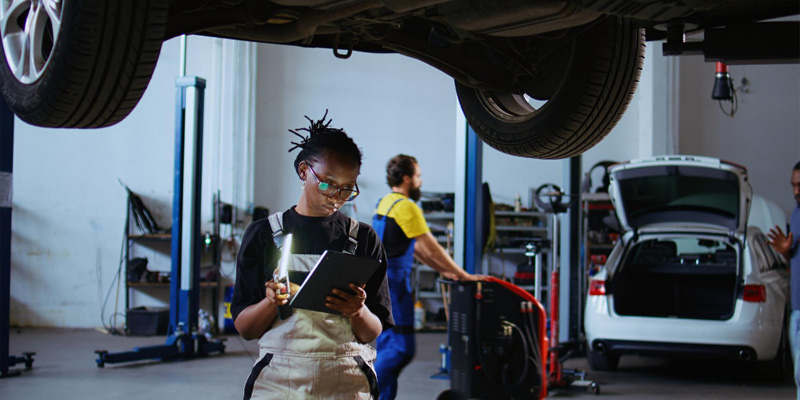
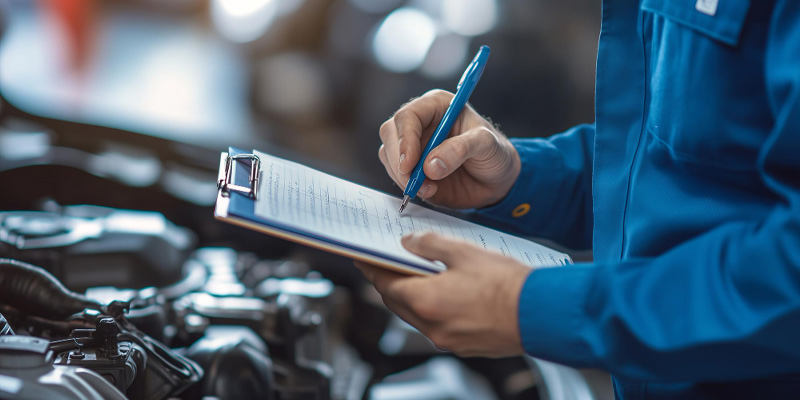
Most vehicles get a safety inspection. The goal is to check that the car is safe to drive. The inspector checks parts such as brakes, tires, steering, suspension, lights, glass, mirrors, wipers, horn, seat belts, and the fuel system.
Many vehicles also get an emissions inspection. Here, the inspector checks how clean the vehicle’s exhaust is. On most modern cars, they plug into the car’s computer using the OBD‑II port. They check for stored fault codes and see if the “check engine” light is on. In many cases, if the check engine light is on, the car fails the emissions part of the inspection.
Some diesel vehicles, especially those in the New York City region and nearby counties, must also pass a diesel emissions test. This includes a smoke test to check how much visible exhaust comes from the tailpipe.
Vehicles That Do Not Need Emissions Tests
Some vehicles still need a safety inspection, but do not need an emissions test. Common examples include:
- Vehicles that are 26 model years old or older
- New vehicles less than two model years old
- Electric vehicles
- Two‑cycle gasoline vehicles
- Vehicles registered as historical
- Motorcycles
- Many heavy‑duty trucks and buses
Many diesel vehicles registered outside the New York Metropolitan Area do not need the extra diesel emissions test. Owners can still ask for an emissions test if they want one, but the law does not always require it.
What the Safety Inspection Looks At (Cars and Light Trucks)
For most cars and light trucks, the safety inspection focuses on a core list of items:
- Brakes – The car must stop safely. Brakes cannot leak fluid, and pads cannot be worn too thin.
- Parking brake – It must hold the car in place on a hill.
- Tires – Tires must have enough tread (usually at least 2/32 of an inch). Sidewalls cannot have bulges, deep cuts, or exposed cords.
- Steering and suspension – There should be no loose steering parts, broken springs, or serious rust or cracks in the frame.
- Lights and reflectors – Headlights, tail lights, brake lights, turn signals, and the license plate light must all work.
- Glass and windshield – No large cracks or chips in the driver’s main view. Front glass and front side windows cannot be tinted too darkly.
- Mirrors – Required mirrors must be present and usable.
- Windshield wipers – Wipers must work and clear the glass.
- Horn – The horn must make a clear sound.
- Seat belts – Required belts must be present and able to latch.
- Fuel system – No visible fuel leaks or damaged fuel lines.
Shops say that many failures happen because of worn brakes, bad tires, broken lights, or a cracked windshield in the driver’s view.
Table 1 – Main New York State Vehicle Inspection Requirements (Safety Items)
| Item checked | What the rule means in everyday terms |
| Brakes | The car must stop safely; pads and rotors cannot be worn out. |
| Tires | Tires need safe tread and no major damage or bulges. |
| Lights and reflectors | All required lights must be installed and working. |
| Windshield and windows | No big cracks where the driver looks; the front glass cannot be tinted too dark. |
| Steering and suspension | No loose steering parts, broken springs, or badly rusted frame sections. |
Alt text: Table summarizing key New York State vehicle inspection requirements for safety, including brakes, tires, lights, glass, and steering.
What Happens in an Emissions Inspection
In an emissions inspection, the inspector connects a scan tool to the car’s OBD‑II port (usually under the dashboard). The tool checks if:
- The car’s computer has any stored emissions‑related trouble codes
- The car’s “readiness monitors” are complete
- The check engine light is on, off, or commanded on
If the check engine light is on or monitors are “not ready,” the car may fail the emissions test. For older vehicles that do not use OBD‑II, the inspector may use a different type of test, sometimes called a low‑enhanced test.
For diesel vehicles in certain counties, the inspector may also do a smoke test. They usually rev the engine and use special equipment to measure how dark the exhaust smoke is.
Rules for Heavy Trucks, Buses, and Trailers
Heavy vehicles, such as large trucks and buses, have extra inspection rules. Many heavy vehicles have more than 14 seats or a high Maximum Gross Weight (MGW), such as over 18,000 pounds. Some mid‑size trucks may also be inspected under heavy‑duty rules if the owner requests it.
How to Rent a Garage for Storage or Parking Space
For these vehicles, inspectors check:
- Tires and wheels
- Steering and suspension
- Chassis and frame
- Windows, wipers, mirrors, and horn
- Coupling devices (like fifth wheels and trailer hitches)
- Exhaust system
- Lighting and reflectors
- Service brakes and parking brakes
- Seat belts
- Fuel leaks
Trailers also need inspection if they are registered. For light trailers, the inspector checks the hitch, safety chains, lighting, reflectors, and brake systems if required.
Heavy vehicles may be exempt from some emissions tests. Still, their safety inspection is strict because these vehicles can cause severe damage in a crash.
Motorcycle Inspection Rules
Motorcycles registered in New York must pass a safety inspection once every 12 months. Only motorcycle inspection stations can do this. These stations display a sign that says “Official NYS Motorcycle Inspection Station.”
For motorcycles, inspectors check:
- Front and rear brakes
- Steering and suspension
- Frame and basic structure
- Exhaust system and muffler
- Headlight and other required lights
- Tires
- Horn
- At least one rearview mirror
Many bikes must also have turn signals and a muffler that is not cut out or removed. Handlebars usually cannot be higher than the rider’s shoulders. If a motorcycle does not meet these rules, it may fail inspection, and the rider can also get tickets.
Inspection Stickers, Paperwork, and Penalties
When a vehicle passes inspection, the station places a new inspection sticker on the windshield. This sticker shows the month and year when the inspection expires. It is proof that the vehicle met New York State vehicle inspection requirements on that date.
If a vehicle fails, the station gives an inspection rejection notice. This paper lists the reasons for failure. It does not usually extend an expired sticker. The owner must fix the problems and then return for another inspection.
Driving a vehicle that needs inspection but does not have a valid sticker can lead to tickets and fines. In some cases, it can also cause trouble when you try to renew your registration. Stations and inspectors who break inspection rules can face fines or lose their license to perform inspections.
Table 2 – Common Reasons Vehicles Fail NY Inspections
| Problem area | Why it often causes failure |
| Check the engine light on | Shows an emissions problem; the car often fails the emissions test. |
| Very worn brake pads/rotors | The car cannot stop safely, or the parts are worn too thin. |
| Low tire tread / bad tires | Tires with almost no tread or serious damage are unsafe. |
| Cracked windshield | Large cracks or chips in the driver’s view can block vision. |
| Broken or missing lights | Headlights, brake lights, turn signals, or plate lights must all work to be legal. |
Alt text: Table listing common reasons vehicles fail New York State vehicle inspection requirements, such as check engine light, worn brakes, bad tires, cracked windshield, and broken lights.
Simple Steps to Help You Pass a NY Inspection
Here are practical steps drivers can take before going to an inspection station:
- Check all lights: headlights, brake lights, turn signals, and license plate light. Replace burned‑out bulbs.
- Look at your tires: if the tread is very low or the tire looks damaged, replace it before inspection.
- Pay attention to brakes: if you hear grinding or squealing, or the car takes longer to stop, have the brakes checked.
- Watch the check engine light: if it is on, get the car scanned and repaired before the inspection. Do not just clear the codes.
- Check your windshield and tint: repair large cracks in the driver’s view and make sure the front tint is not too dark.
These basic steps handle many of the most common failure points. They also make the car safer to drive.
Why CR‑79 Matters to Law Firms
CR‑79 is not just for mechanics. It matters to lawyers, too. It sets clear rules on when a vehicle must be inspected, who can inspect it, and what has to be checked. This connects to several types of legal work:
- Traffic tickets: Many tickets are for driving with an expired or missing inspection sticker. CR‑79 and DMV rules define the driver’s duty.
- Car sales and consumer law: Dealers must inspect many vehicles before sale and provide a valid sticker. Disputes can arise if they fail to do this.
- Accidents involving commercial vehicles: If a truck or bus is not inspected properly, that can be used as evidence of negligence in a crash case.
- Fleet management: Law‑firm operations teams that manage firm cars or vans must keep up with inspection dates and records to avoid risk.
Knowing the basics of New York State vehicle inspection requirements helps lawyers and law‑firm staff ask better questions, read records correctly, and advise clients more clearly.
Frequently Asked Questions
How often do I need a car inspection in New York?
Most vehicles registered in New York must be inspected every 12 months. The sticker expires at midnight on the last day of the month and year shown on it. You also need a new inspection when the registered owner changes, such as after a sale. If you buy from a dealer, the dealer must have inspected the car within 30 days before delivery.
What do you need to pass inspection in NY?
You need a vehicle with safe brakes, good tires, working lights, and no serious damage to the windshield or other glass in your main view. Steering and suspension must be solid, and required mirrors, wipers, horn, and seat belts must work. If your car needs an emissions test, the check engine light must be off, and the car’s computer must show that tests are “ready.” You also need a valid registration and money to pay the station.
What will fail a NYS car inspection?
Cars often fail because of worn brakes, very low tire tread, bad tire damage, or broken lights. A cracked windshield in the driver’s main view or a very dark tint on the front windows can also cause failure. For emissions, an active check engine light or “not ready” readings on too many monitors are common reasons for a fail. Fuel leaks, loose steering parts, and major rust or cracks in the frame are also serious issues.
Do motorcycles and trailers have to be inspected?
Yes. Most motorcycles registered in New York must be inspected once every 12 months at a motorcycle inspection station. Dealers must inspect bikes before they sell them. Inspectors check brakes, lights, tires, horn, frame, and mirrors. Registered trailers must also be inspected. The rules cover the hitch, safety chains, lights, reflectors, and brakes if the trailer needs them.
What happens if my car fails inspection?
If your car fails, the station gives you an inspection rejection notice. This paper lists the items that failed. Usually, this does not extend an expired sticker, so you should fix the problem quickly. After repairs, you go back to get the car inspected again. Some stations charge a lower fee for reinspection, but that is up to the shop. If you keep driving with no valid sticker, you risk tickets and fines.
Are there special rules for diesel vehicles in cities?
Yes. Many diesel vehicles registered in the New York City area and nearby counties must pass a diesel emissions test, including a smoke test. Some vehicles, like historic or certain emergency vehicles, may be exempt from the diesel test but still need a safety inspection. If your diesel vehicle will be outside that area when the inspection is due, you can ask about a temporary waiver for the emissions part while still getting a safety inspection.
Resources
- MOTOR VEHICLE INSPECTION REGULATIONS (CR‑79) – NY DMV (PDF)
https://dmv.ny.gov/forms/cr79.pdf - About New York State Inspections – NY DMV
https://dmv.ny.gov/inspections/about-new-york-state-inspections - New York Codes, Rules and Regulations, Part 79, Section 79.3 – Schedule of inspection (Justia)
https://regulations.justia.com/states/new-york/title-15/chapter-i/subchapter-f/part-79/section-79-3/ - Diesel Inspections Emission Testing – NY DMV
https://dmv.ny.gov/inspections/diesel-inspections-emission-testing - LIGHT VEHICLE – INSPECTION CHECKLIST (VS‑471) – NY DMV (PDF)
https://dmv.ny.gov/forms/vs471.pdf - Vehicle Inspection Requirements in New York – Finz & Finz, P.C.
https://finzfirm.com/mineola/car-accident-lawyer/vehicle-inspection-requirements/
Disclaimer: The content provided on this blog is for informational purposes only and does not constitute legal, financial, or professional advice.
Contents