

How to Apply for Gender Marker and Name Change in Canada
Changing your legal name or gender marker in Canada is a formal process that affirms your identity and ensures it is recognized across all areas of life. Understanding how to apply for a legal name and/or gender (gender-marker) change, including the relevant laws, required documents, and procedural steps, is essential for ensuring your identification accurately reflects who you are.
In Canada, identity changes fall under shared jurisdiction. Provinces and territories manage birth certificates, name changes, and gender designations through their vital statistics offices, while federal agencies such as IRCC and Passport Canada handle citizenship, immigration, and passport records. Because these systems operate independently, applicants often need to complete both provincial and federal applications to achieve full consistency across all documents.
Accurate and consistent identification is crucial. It confirms your legal identity and helps avoid complications in employment, banking, travel, and healthcare. For transgender and non-binary individuals, updating one’s name and gender marker is also a vital step in both personal affirmation and legal recognition.
These rights are protected under Bill C-16 (2017), which amended the Canadian Human Rights Act and the Criminal Code to include gender identity and gender expression as prohibited grounds of discrimination. Government procedures must therefore support accurate and respectful documentation for all Canadians.
This guide outlines:
- The federal–provincial legal framework
- The step-by-step application process
- The key legal forms and their purposes
- Compliance tips and practical examples
By following these steps, you can update your records with confidence and ensure your legal identity is consistent across all official documents.
Whether you’re applying for a name change, gender-marker update, or both, using the right forms matters. Get official, ready-to-use provincial and federal forms in RunSensible to ensure your documents meet all legal requirements.
Canada’s Legal Framework for Name and Gender-Marker Changes
Canada’s legal framework for changing a legal name or gender marker is grounded in both federal human rights protections and provincial and territorial authority. Together, these levels of government ensure that individuals can update their identity documents in a way that reflects who they are.
The passage of Bill C-16 in 2017 marked a shift in this legal landscape. It added gender identity and gender expression to the Canadian Human Rights Act and Criminal Code, affirming the right to be recognized without discrimination. Following this change, provinces and territories updated their laws to remove medical or surgical proof requirements, replacing them with self-declaration procedures.
Bill C-16 and the Federal Legal Foundation for Gender Identity Rights
Bill C-16 established the cornerstone of Canada’s legal protections for transgender and gender-diverse people. It amended three key areas of federal law:
- Canadian Human Rights Act – Added gender identity and gender expression to the list of prohibited grounds of discrimination, protecting individuals in federally regulated employment and services.
- Criminal Code (Hate-Speech Provisions) – Expanded the definition of identifiable groups to include gender identity and expression, criminalizing hate propaganda and public incitement of hatred on these grounds.
- Criminal Code (Sentencing Provisions, s. 718.2) – Directed courts to treat bias or hate based on gender identity or expression as an aggravating factor in sentencing.
This legislative reform created a binding federal precedent: gender identity is an inherent aspect of human rights, not contingent on medical documentation or proof of surgery, replacing them with a statutory declaration affirming gender identity. By recognizing self-identified gender as legally valid, Bill C-16 compelled all levels of government to align administrative practices with these protections.
Accordingly, provincial and territorial vital-statistics authorities revised their procedures to comply with the federal standard. Most jurisdictions replaced former medical documentation requirements with statutory declarations confirming gender identity. This harmonization ensured that Canada’s approach to gender recognition is grounded in equality before the law, treating self-identification as sufficient legal evidence for amending official records.
Provincial and Territorial Legal Authority Jurisdiction
In Canada, the process of legally changing your name or gender marker involves two levels of jurisdiction:
- Federal Authority: Responsible for passports, citizenship certificates, and immigration documents through agencies like Immigration, Refugees and Citizenship Canada (IRCC) and Passport Canada.
- Provincial/Territorial Authority: Manages birth certificates, change-of-name certificates, and gender-marker designations, along with driver’s licences and health cards.
Because federal and provincial systems operate separately, applicants typically need to submit two applications—one to their provincial or territorial authority and another to the relevant federal agency. The provincial approval, such as a new birth certificate or name-change certificate, becomes the legal basis for updating federal documents like passports or citizenship records.
This two-step process reflects Canada’s constitutional division of powers: the federal government establishes and enforces human rights protections, while provinces and territories are responsible for carrying out those rights through their identity-record systems.
Updating Passports, Citizenship, and Immigration Records after Name and Gender Changes
At the federal level, changing your legal name or gender marker commonly affects documents such as your passport, citizenship certificate, and immigration records.
- Immigration, Refugees and Citizenship Canada (IRCC): To change your gender identifier on immigration or citizenship documents, you must complete Form IRM 0002: Request for a Change of Sex or Gender Identifier. No medical evidence or proof of surgery is required—just the completed form and applicable document.
- Passport Canada: When applying for or renewing a Canadian passport, you may select “M” (male), “F” (female), or “X” (another gender).
- If your supporting documents already display your desired gender identifier, no extra proof is needed.
- If they do not, you must complete a gender identifier request form (Adult PPTC 643 or Child PPTC 644) and include it with your passport application.
- Note: The “X” marker is officially accepted, but some countries or transit systems may not recognize it—travelers should verify entry requirements in advance.
These federal procedures ensure that once your provincial or territorial identity records (e.g., birth certificate or name-change certificate) are updated, your federal identity documents reflect the same name and gender marker—thereby aligning all your official identification.
Cross Jurisdiction Coordinated Application
Consider a person born in British Columbia but residing in Ontario. They apply through Ontario’s Office of the Registrar General to change their name, receiving a Certificate of Change of Name. Ontario then notifies BC, which updates the individual’s birth registration. With these foundational records amended, the applicant can then update their passport, SIN, and other federal documents to reflect their current legal name and gender marker.
Common Scenarios of Pursuing a Legal Name or Gender-Marker Change
Changing a legal name or gender for some affirms gender identity and personal dignity. For others, it restores cultural heritage or corrects long-standing administrative errors.
Whatever the reason, the goal remains the same: to achieve legal recognition and consistency across identification documents used in daily life, from passports and health cards to employment and financial records.

Common Reasons for Legal Name and Gender-Marker Changes
Canadians pursue these changes for a range of valid and often deeply personal reasons. The most common include:
- Gender Transition
Many people apply to update their name and gender marker to match their affirmed gender identity. Doing so supports privacy, prevents misidentification, and ensures that all documents reflect the person’s true identity under Canadian law.
- Reclaiming Indigenous Names
Following the Truth and Reconciliation Commission’s Call to Action #17, Indigenous peoples are reclaiming ancestral names that were changed or erased through colonial or residential-school systems. Several provinces now waive fees and expedite processing for these applications as part of reconciliation efforts.
- Marriage or Divorce
Some name changes occur after marriage or when resuming a previous surname following divorce. In most provinces, this can be done using a marriage or divorce certificate. However, a formal change-of-name certificate is required for any name change that falls outside these everyday situations.
- Cultural, Religious, or Personal Identity
Individuals may change their name to reflect cultural heritage, religious identity, or personal meaning. Others do so to correct spelling errors or inconsistencies that appear in official records.
- Administrative Corrections
Inaccuracies in vital statistics—such as misspellings or mismatched birth data—may require a formal name-change process to bring all records into alignment.
The Importance of Consistent Identification
Keeping identity information consistent across all documents is both a legal requirement and a practical necessity. Federal, provincial, and private institutions routinely cross-check data for verification. Even minor discrepancies can cause significant delays, confusion, or denial of services.
Common problems caused by mismatched information include:
- A passport and driver’s licence showing different names, preventing air travel.
- Conflicting gender markers (for example, “X” on a passport and “M” on a health card) are confusing identity checks.
- Employment or financial accounts being frozen when the system data does not match.
To avoid these issues, it’s essential to follow the proper order of updates. A provincial or territorial Certificate of Change of Name or an amended birth certificate serves as the primary legal document authorizing all subsequent updates. Without these foundational records, agencies like ServiceOntario, IRCC, or Passport Canada cannot legally process changes.
Applicants should always complete provincial updates first, then proceed to federal documents to maintain consistency.
Financial and Practical Considerations
Applying for a legal name or gender-marker change involves time, planning, and possible costs. Understanding these practical factors can help applicants avoid delays:
- Fees: Provinces charge for processing name or gender-marker changes. Indigenous name reclamation and specific gender-affirming changes may qualify for fee waivers.
- Documentation and timelines: Applications may require proof of residency, identification, and sworn declarations. Processing can take anywhere from 8 to 24 weeks, depending on the jurisdiction.
- Updating secondary records: Once the change is approved, individuals must update all linked documents—such as driver’s licences, health cards, bank accounts, employment files, and passports.
- Travel implications: International travelers should ensure that names and gender markers match across all documents and bookings. Some countries do not yet recognize the “X” non-binary marker, so travelers should verify entry rules in advance.
- Privacy considerations: While most public documents will reflect the new identity, older data may remain in government databases for record-keeping. Applicants with safety or privacy concerns may request restricted access or seek legal advice.
Access to Legal Support and Resources
Legal name and gender-marker changes are supported by Canada’s human rights laws, which guarantee protection against discrimination based on gender identity or expression. For assistance and up-to-date information, individuals can access:
- Provincial legal aid clinics and LGBTQ+ legal services for help with forms, affidavits, and fee waivers.
- Community organizations that offer guidance for Indigenous name reclamation and gender-affirming applications.
- Official government websites for the most current forms, eligibility criteria, and fee schedules by province or territory.
These supports ensure that every person in Canada can complete the process with dignity, accuracy, and equal access to justice.
Canada’s Jurisdictional Framework for Legal Name and Gender-Marker Changes
Canada divides responsibility for identity documentation between federal and provincial or territorial governments.
Federal agencies manage citizenship and immigration records, while provinces and territories handle vital statistics and foundational identity documents such as birth certificates, name changes, and gender designations.
To complete a legal name or gender-marker change, applicants must follow a two-step process:
- Begin with the provincial or territorial Vital Statistics office.
- Use the updated documents to apply for matching federal identification changes.
Federal and Provincial/Territorial Authority
Each level of government controls specific identity records and forms of documentation.
| Jurisdiction | Documents Administered |
| Federal (IRCC / Passport Canada) | Passports, Citizenship Certificates, Permanent Resident (PR) Cards, Work and Study Permits |
| Provincial / Territorial (Vital Statistics Offices) | Birth Certificates, Health Cards, Driver’s Licences, Marriage Certificates, Certificates of Change of Name |
Immigration, Refugees and Citizenship Canada (IRCC) and Passport Canada oversee documents that verify citizenship, immigration status, and travel identity.
These agencies issue or update federal records such as passports, citizenship certificates, and PR cards after receiving verified provincial documentation confirming the applicant’s legal name or gender marker.
Provincial and Territorial Authority
Each province and territory maintains its own vital statistics system to manage:
- Birth registrations
- Legal name changes
- Gender designations
These records establish a person’s legal identity and must be updated before federal identification can be changed.
Applicants typically begin with the Vital Statistics office in their province or territory of residence to amend foundational documents, then use those updates for all federal applications.
Provincial and Territorial Requirements (2025 Overview)
As of 2025, all provinces and territories in Canada recognize self-declaration as valid proof for gender-marker changes.
Medical or surgical evidence is no longer required.
However, residency rules, background screening, and administrative fees differ by jurisdiction.
Ontario (ON)
- Residency: At least 12 months.
- Application: Application to Change an Adult’s Name (Form 5).
- Fee: Approximately $137.
- Eligibility: Adults may apply independently; minors require parental consent.
- Process: The Office of the Registrar General automatically issues a new birth certificate for Ontario-born applicants.
- Gender Marker: Updated by statutory declaration; no medical documentation required.
- Options: “M,” “F,” or “X.”
British Columbia (BC)
- Residency: Required.
- Security Screening: Applicants aged 12 or older must submit a criminal record check within 30 days before filing.
- Restrictions: Individuals with certain convictions or offender designations cannot legally change their names.
- Fee: Varies by region.
- Result: The province issues a Certificate of Change of Name and recognizes the “X” gender marker.
- Context: These measures enhance identity security and fraud prevention but extend processing times.
Alberta (AB)
- Residency: Must reside in Alberta throughout the process.
- Application: Submitted in person through an authorized registry agent (Vital Statistics does not accept direct submissions except for Indigenous name reclamation).
- Fees: $120 government fee plus registry and fingerprinting costs.
- Screening: Mandatory fingerprinting and police background check.
- Gender Marker: Changed via affidavit; accepted options are “M,” “F,” or “X.”
Nova Scotia (NS)
- Residency: Minimum of three months or proof of birth in Nova Scotia.
- Application: A single integrated form allows simultaneous name and gender-marker changes.
- Fee: Approximately $165.70, including one Certificate of Change of Name.
- Proof: A statutory declaration replaces all medical documentation.
- Processing Time: Typically two to three months.
- Options: “M,” “F,” or “X.”
Indigenous Name Reclamation
Several provinces, including British Columbia and Manitoba, waive fees and simplify the name-change process for Indigenous applicants reclaiming ancestral names.
These initiatives align with the Truth and Reconciliation Commission’s Call to Action #17, which seeks to remove administrative barriers and support cultural restoration.
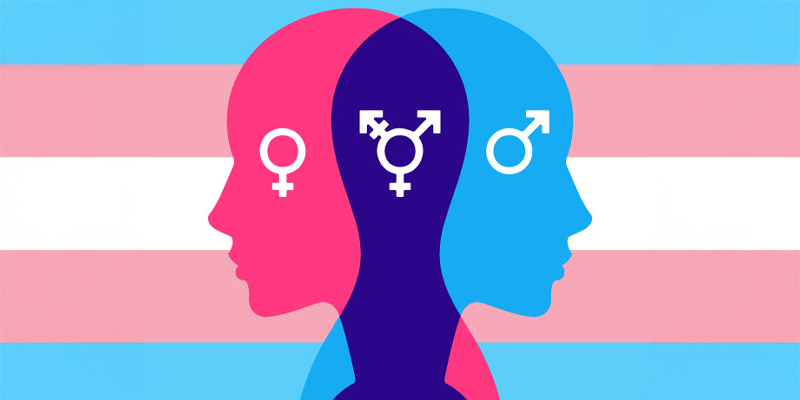
Non-Binary Designations
All provinces and territories now recognize the “X” gender marker on birth certificates and most provincial identification documents.
Federal documents, including passports and citizenship certificates, also accept this designation.
This alignment reflects Canada’s move toward self-identification and consistency with the human-rights protections established under Bill C-16.
Federal Identity-Document Procedures
Once provincial records are updated, applicants must revise their federal documents to maintain alignment across systems.
IRCC Documents:
- Form: Request for a Change of Sex or Gender Identifier (Form IRM 0002)
- Applies to: Permanent Resident Cards and Citizenship Certificates
- Requirement: Signed declaration only (no medical evidence)
Passports:
- Applicants may select “M,” “F,” or “X.”
- If the provincial ID already reflects the chosen marker, no additional documentation is needed.
- If not, applicants must include Form PPTC 643 (adults) or Form PPTC 644 (children) with the passport application.
- Travelers should verify entry rules before departure, as some countries do not yet recognize the “X” designation.
These federal steps ensure that all government records are consistent and accurately reflect the applicant’s legal identity.
Coordinating Between Provinces and Territories
When an individual’s province of residence differs from their province of birth, coordination is required to maintain record accuracy.
- The province of residence processes the name change and issues the Certificate of Change of Name.
- The province of birth holds the authority to amend the original birth registration, which underpins all other records.
Example:
A person born in British Columbia but living in Ontario applies to the Ontario Office of the Registrar General for a name change.
Ontario issues the Certificate of Change of Name and notifies British Columbia.
The applicant must then contact BC Vital Statistics to order a new birth certificate and pay any applicable fees.
Failure to complete this step may result in inconsistencies across federal and provincial identification.
Proactive coordination ensures that all records remain accurate, consistent, and legally valid throughout Canada’s decentralized identity system.
Outdated paperwork is one of the most common reasons applications are rejected.Visit RunSensible forms to access current, government-approved forms for name and gender-marker changes across Canada.
How to Legally Change Your Name in Canada: Step-by-Step Guide
The process of legally changing your name in Canada begins at the provincial or territorial level, since each jurisdiction governs its own vital statistics and documentation requirements.
Following the correct order of steps ensures that your new name is recognized across all government systems — provincial and federal. Skipping steps or filing incomplete information can cause delays or rejections.
-
Eligibility and Preparation
Before applying, confirm that you meet your province’s or territory’s eligibility rules and have gathered the required documents.
Most jurisdictions require proof of ordinary residence — for instance, at least 12 months in Ontario or three months in Nova Scotia. Acceptable proof of address includes a lease agreement, utility bill, bank statement, or government-issued correspondence.
Documents needed (original or certified copies):
- Their birth certificate or birth registration
- Government-issued photo identification
- Proof of current residence
- Any previous name-change certificates or court orders
For minors, age and consent requirements vary. In Ontario, for example, applicants aged 16 or 17 may apply as adults, while younger minors must have written consent from every parent or guardian with legal custody.
Each applicant must also certify that the name change is not for a fraudulent or improper purpose, such as hiding criminal activity, evading debts, or misleading others. Provincial registrars have legal authority under Change of Name Acts to refuse any application deemed deceptive or misleading.
-
Submitting the Application
Each province issues its own official form and sets its own procedure. In Ontario, adults complete the Application to Change an Adult’s Name (Form 007-11155E). Forms must be filled out clearly, with all required documents attached and signatures properly witnessed or commissioned where needed.
Some jurisdictions require background screening before submission.
- In British Columbia, anyone aged 12 or older must provide a criminal record check completed within 30 days of filing.
- In Alberta, applicants must complete both fingerprinting and a police record check before applying to an authorized registry agent.
Start these checks early, as delays in receiving results are common. Attach copies or arrange for results to be sent directly to the Vital Statistics office.
Application fees are non-refundable and vary by province.
For example:
- Ontario: $137 CAD, which includes one Certificate of Change of Name and a new birth certificate (if the applicant was born in Ontario).
- Alberta: $120 CAD, plus registry service and fingerprinting fees.
Follow your province’s filing process precisely.
Ontario accepts mailed applications through the Office of the Registrar General, while Alberta requires in-person submission at a registry agent.
Incorrect or incomplete applications are returned without processing.
-
Processing and Receiving Your Certificate
Processing times depend on jurisdiction and case complexity but generally range from 8 to 24 weeks.
During this period, Vital Statistics officials verify identity, residency, and background-check documentation. They may contact applicants for clarification or additional materials.
Once approved, the Registrar issues a Certificate of Change of Name. This document legally confirms your new name and serves as primary proof for all future updates to identification and records. Keep the original certificate in a safe location and order a few certified copies for use with institutions that require verified documentation.
-
Updating Your Records After Approval
After receiving your certificate, update your records in a specific order to ensure consistency across systems.
If you were born in the same province that granted the change, the Vital Statistics office will automatically update your birth registration and issue a new birth certificate.
If you were born in another province or territory, your current jurisdiction will notify that province of birth. However, you must contact its Vital Statistics office directly to request and pay for the updated birth certificate.
Completing this step prevents record discrepancies between jurisdictions.
Once your birth record is updated, use the certificate to update your provincial identification, including:
- Driver’s licence or photo ID card
- Health card
- Provincial benefit or education records
After completing provincial updates, revise your federal documents:
- Update your Social Insurance Number (SIN) through Service Canada
- Update your passport and citizenship or immigration documents through IRCC and Passport Canada (see Section 5 for details)
Always keep several certified copies of the Certificate of Change of Name. Many institutions — such as banks, universities, and notaries — require an original or certified copy for official transactions or legal verification.
Summary of the Legal Process
- Confirm eligibility and collect all required documentation.
- Complete and submit the official provincial or territorial application.
- Wait for the administrative review and issuance of the Certificate of Change of Name.
- Update your birth registration and request a new birth certificate if necessary.
- Use the certificate to update all provincial and federal identification records.
Following this order ensures your new name is recognized uniformly across Canada and prevents administrative inconsistencies.
How to Legally Change Your Gender Marker in Canada: Step-by-Step Guide
Canada’s gender-marker change process reflects the country’s ongoing commitment to human-rights protections for gender identity and gender expression under Bill C-16 and the Canadian Human Rights Act.
Most provinces and territories now rely on self-declaration rather than medical or surgical proof. However, procedural details, age requirements, and documentation standards still vary by jurisdiction.
-
Provincial and Territorial Process: Changing the Birth Registration
Your birth registration is the foundational record for all identification in Canada. To change your gender marker legally, you must first amend this record through the vital statistics office of the province or territory where you were born.
How to Apply
- File an Application for a Change of Sex (Gender) Designation on Birth Registration with the relevant vital statistics office.
- For example, Ontario uses the Application for a Change of Sex Designation on a Birth Registration of an Adult.
- Applications are submitted by mail (in most jurisdictions) with identification, supporting declarations, and any required fees.
Documentation Requirements for Adults
Most provinces accept self-declaration as legal proof of gender identity.
- In Ontario, adults provide a Statutory Declaration affirming their gender identity and intent to maintain it.
- In some cases, Ontario may also request a letter from a practicing physician or psychologist, particularly if previous records conflict or require clarification.
- Nova Scotia relies on a simple written statement from the applicant and does not require professional confirmation.
- Most provinces now recognize “M,” “F,” and “X” as valid markers on birth certificates and related ID.
Requirements for Minors
For applicants under 16, additional safeguards apply:
- A letter from a licensed physician or psychologist confirming the gender marker on the current birth record does not reflect the child’s gender identity; and
- Written consent from all parents or guardians with legal custody.
These safeguards balance the need to affirm identity with the legal limits of minors’ decision-making authority.
Cross-Provincial Applications
Because vital statistics are governed provincially, you must apply through the province or territory of birth to change the sex designation on a birth registration.
For instance, a person born in Alberta but living in British Columbia must file the application with Alberta Vital Statistics.
Recognition of Non-Binary and “X” Markers
All major jurisdictions—including Ontario, British Columbia, Alberta, and Nova Scotia—recognize the non-binary “X” designation on birth registrations, health cards, and driver’s licences.
Once your birth certificate is updated, use it to align all other provincial identification with your affirmed gender marker.
-
Federal Process: Updating Citizenship and Passport Records
Once the provincial or territorial change is complete, the next step is to update your federal identity documents so that your gender marker is consistent across all records.
IRCC Documents
Applies to: Permanent Resident Cards, Citizenship Certificates, and immigration documents.
- Complete the Request for a Change of Sex or Gender Identifier (Form IRM 0002).
- Attach a signed declaration confirming your gender identity.
- No medical documentation is required for IRCC-issued documents.
Canadian Passports
Passport Canada allows applicants to select “M,” “F,” or “X.”
- If your supporting provincial ID already shows your chosen marker, no extra forms are needed.
- If it does not, include the Gender Identifier Request Form
- PPTC 643 (adults) or PPTC 644 (children).
- Processing timelines and fees are the same as for standard passport applications.
-
Coordinating Name and Gender Changes
If you plan to change both your name and gender marker, you can save time by filing a combined application in provinces that permit it—such as Ontario and Nova Scotia.
A single application ensures that your new birth certificate reflects both changes at once, simplifying updates to other documents.
After receiving your new certificate, update:
- Driver’s licence or provincial ID card
- Health card and health-service records
- Federal identification (passport, SIN, and immigration documents)
-
Travel and International Recognition of the “X” Marker
While Canadian law fully recognizes “X” gender markers and aligns with international aviation standards, recognition abroad is inconsistent.
The Government of Canada warns that it cannot guarantee entry or transit through countries that do not accept non-binary designations.
Before travelling, Canadians with “X” passports should:
- Check travel advisories at travel.gc.ca
- Contact the embassy or consulate of destination countries to confirm entry and visa requirements; and
- Carry additional documentation if recommended for border or visa processing.

Required Legal Forms for Changing Your Name or Gender Marker in Canada
Changing your legal name or gender marker in Canada involves specific forms and certificates issued by both provincial and federal authorities.
Each document serves a distinct function — verifying identity, establishing consent, or authorizing updates to official records.
This glossary outlines the key forms you may encounter and their legal purposes.
Provincial and Territorial Forms
These are filed with Vital Statistics Offices and form the foundation of all identity updates.
Application to Change an Adult’s Name
Used to legally change an adult’s first, middle, or last name. This form confirms residency, identity, and intent.
- Example: Application to Change an Adult’s Name (Form 007-11155E) — Ontario
- Issued by: Provincial Vital Statistics Offices
- Outcome: Leads to the Certificate of Change of Name
Application to Change a Child’s Name
Used for applicants under 16 or 18 (depending on the province). Requires parental or guardian consent and notice to access-right holders.
- Ensures consent and legal safeguards for minors
- Filed with: Provincial Vital Statistics Office
Criminal or Police Record Check (if required)
Some provinces require a security screening before approving a name change.
- Required in: British Columbia (ages 12 +) and Alberta (includes fingerprinting)
- Purpose: Confirms eligibility and prevents fraudulent name changes
Application for a Change of Sex (Gender) Designation on Birth Registration
Amends the gender marker on the birth registration — the foundational identity record.
- Example: Application for a Change of Sex Designation on a Birth Registration of an Adult — Ontario
- Result: Authorizes a new birth certificate with the correct gender marker
Statutory Declaration for a Change of Sex (Gender) Designation
A sworn declaration confirming the applicant identifies with the chosen gender marker (“M,” “F,” or “X”) and intends to maintain that identity.
- Required for: Most adult applications (Ontario, Alberta, BC, Nova Scotia)
- Replaces the former medical-proof requirement
Certificate of Change of Name
Issued after a name-change application is approved. Serves as official proof of the new legal name.
- Function: Required to update all other documents (birth certificate, driver’s licence, passport, SIN)
Revised Birth Certificate
Issued once a name or gender change is registered. Becomes the primary proof of identity used for all federal updates.
- Function: Confirms your new legal name or gender marker
Federal Forms and Certificates
Once provincial records are updated, these federal forms ensure consistency across citizenship, immigration, and travel documents.
Request for a Change of Sex or Gender Identifier (Form IRM 0002)
Issued by Immigration, Refugees and Citizenship Canada (IRCC) to update the gender marker on Permanent Resident Cards and Citizenship Certificates.
- Requirement: Signed declaration — no medical documentation needed
- Available from: IRCC Website
Gender Identifier Request Form (PPTC 643 / PPTC 644)
Used when applying for or renewing a Canadian passport through Passport Canada.
- Function: Allows selection of “M,” “F,” or “X”
- Requirement: Supporting provincial ID or this form if provincial ID is not yet updated
Updated Passport or Citizenship Certificate
Issued after federal approval to reflect your correct gender marker and name.
- Function: Final step ensuring alignment of federal and provincial records
Supporting Documentation and Declarations
These documents verify identity, consent, and eligibility during the application process.
- Affidavit of Residency – Confirms compliance with provincial residency requirements
- Consent Forms for Minors – Establish parental authorization when the applicant is under legal age
- Proof of Identity – Certified copies of existing ID (e.g., birth certificate, driver’s licence)
- Fee Payment Receipts – Proof of non-refundable payment for application processing
Table: Key Identity-Change Forms in Canada
| Form or Certificate | Jurisdiction / Issuer | Purpose |
| Application to Change an Adult’s Name | Provincial Vital Statistics | Starts the legal name-change process |
| Application to Change a Child’s Name | Provincial Vital Statistics | Name change for minors with required consent |
| Police / Criminal Record Check | BC / AB Vital Statistics | Security screening before name-change approval |
| Application for Change of Sex (Gender) Designation | Provincial Vital Statistics | Amends the gender marker on birth registration |
| Statutory Declaration for Gender Designation | Provincial Vital Statistics | Sworn self-identification replacing medical proof |
| Certificate of Change of Name | Provincial Vital Statistics | Official proof of name change |
| Revised Birth Certificate | Provincial Vital Statistics | Foundational proof of updated name or gender |
| Request for a Change of Sex or Gender Identifier (IRM 0002) | IRCC (Federal) | Updates gender marker on federal immigration/citizenship records |
| Gender Identifier Request Form (PPTC 643 / PPTC 644) | Passport Canada (Federal) | Updates gender marker on Canadian passports |
| Consent and Custody Form for Minors | Provincial Vital Statistics | Confirms guardian approval for minor applications |
Skip the confusion of searching multiple government websites. RunSensible forms bring all official documents needed into one easy-to-access location, saving you hours of research.
Special Circumstances, Compliance, and Privacy in Legal Identity Changes
Most name and gender-marker changes in Canada follow a standard procedure, but some situations require additional steps or specific safeguards.
This section explains how to manage applications involving minors or restricted cases, and how to maintain compliance, privacy, and secure documentation after approval.
1. Applications for Minors and Restricted Cases
Some applicants must meet extra requirements to ensure their changes are valid and legally protected.
Applications for Minors (Under 16)
- Parental consent: All legal guardians must give written consent.
- Notice to access-right holders: Anyone with lawful access to the child, such as a non-custodial parent, must receive notice, usually at least 30 days before the application is filed.
- Court order when consent is withheld: If a guardian refuses consent, the applicant must obtain a court order to waive it. This turns the process into a formal legal proceeding.
- Gender-marker changes: Most provinces require a short letter from a licensed doctor or psychologist confirming that the child’s registered gender does not reflect their affirmed identity.
Restricted or Refused Applications
A province may refuse a name or gender-marker change if:
- The intent appears fraudulent or deceptive, such as trying to avoid debts or criminal obligations.
- The applicant has criminal restrictions. For example, British Columbia prohibits changes for dangerous offenders, long-term offenders, or individuals convicted of specific listed offences.
- The new name could confuse the public or conflict with an existing legal name.
Registrars have the discretion to deny applications that do not meet legal or public-interest standards.
2. Compliance and Procedural Accuracy
Many delays and rejections result from minor administrative errors. Following correct procedures ensures timely approval.
Key Compliance Practices
- Always use the latest version of official government forms. Older forms are often rejected.
- Submit original identification documents, not photocopies, unless explicitly permitted.
- Have all statutory declarations and affidavits signed before a Commissioner for Oaths or a Notary Public.
- Follow the submission process for your province precisely. For example, Alberta requires in-person submission through a registry agent, while Ontario accepts mailed applications.
- Keep copies of all receipts, confirmation emails, and correspondence for your records.
Staying organized and following official instructions reduces the risk of rejection and protects the validity of your identity change.
3. Privacy, Record Retention, and Document Management
Changing your name or gender marker does not erase your old records.
Under the federal Privacy Act, government institutions must retain identifying information used for administrative purposes for a set period.
This means previous names and gender markers remain traceable to authorized government officials for legitimate reasons such as:
- Law enforcement or court proceedings
- Tax and benefits administration
- Internal audits or investigations
Privacy Considerations
- A change to your name or gender marker legally updates your record but does not delete the old one.
- Applicants with safety concerns, such as survivors of violence, can request non-publication of their name change in official registries when provincial law allows.
- Only authorized government bodies can access historical identity data for lawful purposes.
Document-Management Tips
- Update documents in sequence: obtain the Certificate of Change of Name and the updated birth certificate first, then update all federal and secondary identification.
- Keep several certified copies of your new certificates for legal, financial, and travel purposes.
- Update records promptly across all systems, including health cards, driver’s licences, SINs, employment, and tax files.
- Store originals securely and maintain a checklist of all updated records.
Final Thoughts
Changing your legal name or gender marker in Canada is both a personal affirmation and a formal legal process.
Although the steps differ across provinces and territories, every successful application follows the same core principles: meeting eligibility rules, following official procedures in sequence, and ensuring consistency across all records.The process begins with provincial or territorial Vital Statistics offices, which handle foundational documents such as birth registrations, Certificates of Change of Name, and updated birth certificates. These records establish your new legal identity and form the basis for all downstream updates to federal identification.
At the federal level, agencies like Immigration, Refugees and Citizenship Canada (IRCC) and Passport Canada align your documents across citizenship, immigration, and travel systems.
Completing both levels ensures that your information remains accurate and recognized across every institution that relies on government identification.
Key Legal Forms and Certificates in This Process
- Application to Change an Adult’s Name (provincial)
- Application to Change a Child’s Name (provincial, with parental consent)
- Certificate of Change of Name (provincial, official proof of new name)
- Application for Change of Sex or Gender Designation on Birth Registration (provincial)
- Statutory Declaration for Gender Identity (provincial, adult self-declaration)
- Revised Birth Certificate (provincial, shows updated name and gender marker)
- Request for a Change of Sex or Gender Identifier (Form IRM 0002) (federal, IRCC)
- Gender Identifier Request Form (PPTC 643 or PPTC 644) (federal, Passport Canada)
Applicants should also prioritize compliance and privacy. Using current versions of official forms, obtaining proper witnessing for statutory declarations, and following the correct filing methods prevent unnecessary delays or rejection.
After approval, updating all secondary records — from health cards and bank accounts to tax and employment files — ensures that your identity remains consistent across systems.
Canada’s system for legal name and gender-marker changes is now simpler, fairer, and more inclusive. By following the correct steps, using official forms, and keeping your records consistent, you can complete your identity change.
FAQs
Can I change my name and gender marker at the same time?
Yes. Most provinces, including Ontario and Nova Scotia, allow you to change both your name and gender marker through a single combined application. This ensures your documents are updated consistently and prevents conflicting information across different IDs.
Do I need surgery or medical proof to change my gender marker?
No. Medical or surgical proof is no longer required in Canada. Most provinces and territories now use a self-declaration system, where you confirm your gender identity in a statutory declaration form.
What gender options are available on Canadian identification?
Canadian federal and provincial identification documents recognize three gender markers:
“M” (male), “F” (female), and “X” (non-binary or unspecified).
These are available on passports, birth certificates, driver’s licences, and health cards.
How long does the legal name or gender-marker change process take?
Processing times vary depending on the province or territory.
- Name changes: Usually take between 8 and 24 weeks.
- Gender-marker changes: Typically processed within 4 to 12 weeks.
Delays can occur if required documents or signatures are missing.
Is there a fee for changing my name or gender marker?
Yes, fees differ by province. For example:
- Ontario: About $137 for an adult name change.
- British Columbia and Alberta: Fees vary but are generally within the same range.
Gender-marker changes often have little or no cost, and fee waivers may apply in certain situations, such as financial hardship.
What official forms do I need to complete?
The main forms required for a legal name or gender-marker change include:
- Application to Change an Adult’s Name (provincial)
- Application to Change a Child’s Name (provincial)
- Certificate of Change of Name (issued after approval)
- Application for a Change of Sex or Gender Designation on Birth Registration (provincial)
- Statutory Declaration for Gender Identity (provincial)
- Request for a Change of Sex or Gender Identifier (Form IRM 0002) (federal, IRCC)
- Gender Identifier Request Form (PPTC 643 or PPTC 644) (federal, Passport Canada)
Can my application be refused?
Yes. A name or gender-marker change can be denied if it appears fraudulent, incomplete, or legally restricted.
For example, British Columbia restricts applications from individuals designated as dangerous or long-term offenders. Registrars may also reject applications that could confuse the public or conflict with another existing legal name.
Will my previous name or gender be deleted from government records?
No. A legal change updates your record but does not erase prior information.
Under the Privacy Act, government institutions must retain identifying information for lawful purposes, including law enforcement, taxation, and legal proceedings.
Your new documents will show only your current name and gender, but older data remains accessible to authorized officials.
What should I update after my name or gender marker change is approved?
Once you receive your Certificate of Change of Name or updated birth certificate, update:
- Driver’s licence or photo ID
- Health card
- Social Insurance Number (SIN)
- Passport and citizenship documents
- Bank, tax, and employment records
Start with provincial updates before proceeding to federal documents.
Sources
- Government Bill (House of Commons) C-16 (42-1) – Royal Assent – An Act to amend the Canadian Human Rights Act and the Criminal Code – Parliament of Canada
https://www.parl.ca/DocumentViewer/en/42-1/bill/c-16/royal-assent - Changing your sex designation on your birth registration and birth certificate – Ontario.ca
https://www.ontario.ca/page/changing-your-sex-designation-your-birth-registration-and-birth-certificate - Change your name – Ontario.ca
https://www.ontario.ca/page/change-name - Apply for a legal change of name – Alberta.ca
https://www.alberta.ca/legal-name-change - Legal change of name application – Government of British Columbia (Gov.bc.ca)
https://www2.gov.bc.ca/gov/content/life-events/legal-changes-of-name/legal-change-of-name-application - Change your sex indicator if you’re 16 or older – Government of Nova Scotia
https://www.novascotia.ca/change-your-sex-indicator-if-youre-16-or-older - How do I change the sex or gender identifier on my application or document? – Immigration, Refugees and Citizenship Canada (IRCC)
https://ircc.canada.ca/english/helpcentre/answer.asp?qnum=1253&top=32 - Choose or update the gender identifier on your passport or travel document – Government of Canada (Passport Canada)
https://www.canada.ca/en/immigration-refugees-citizenship/services/canadian-passports/change-sex.html - Guide for Paper Applications for a Citizenship Certificate for Adults and Minors (Proof of Citizenship) under Section 3 (CIT 0001) – Government of Canada (IRCC)
https://www.canada.ca/en/immigration-refugees-citizenship/services/application/application-forms-guides/guide-0001-application-citizenship-certificate-adults-minors-proof-citizenship-section-3.html - Privacy Act (R.S.C., 1985, c. P-21) – Department of Justice Canada
https://laws-lois.justice.gc.ca/eng/acts/p-21/page-1.html - Travel and your sexual orientation, gender identity, gender expression, and sex characteristics – Government of Canada (Travel.gc.ca)
https://travel.gc.ca/travelling/health-safety/lgbt-travel
Contents
- How to Apply for Gender Marker and Name Change in Canada
- Canada’s Legal Framework for Name and Gender-Marker Changes
- Common Scenarios of Pursuing a Legal Name or Gender-Marker Change
- Canada’s Jurisdictional Framework for Legal Name and Gender-Marker Changes
- How to Legally Change Your Name in Canada: Step-by-Step Guide
- How to Legally Change Your Gender Marker in Canada: Step-by-Step Guide
- Required Legal Forms for Changing Your Name or Gender Marker in Canada
- Special Circumstances, Compliance, and Privacy in Legal Identity Changes
- Final Thoughts
- FAQs
- Sources