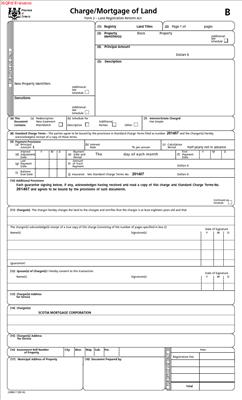
Fixed Rate Mortgage Charge
Fill out nowJurisdiction: Country: Canada | Province or State: Ontario
A Fixed Rate Mortgage Charge is a formal document used in real estate financing. It records a mortgage loan with a fixed interest rate and secures that loan against a specific property. You complete it as part of a larger mortgage transaction.
This document matters because it sets out the legal relationship between you and the lender. It also becomes part of the public record once registered. The information you provide affects your loan terms and how the property is encumbered.
People often encounter this form when buying, refinancing, or restructuring property financing. It is usually prepared with standardized sections that require careful review before signing.
This guide explains what the Fixed Rate Mortgage Charge is, when it is used, and how to complete it in a practical, step-by-step way.
What is the Fixed Rate Mortgage Charge?
Clear definition
A Fixed Rate Mortgage Charge is a legal document that creates a mortgage with an interest rate that stays the same for a defined term. It charges, or secures, a specific property as collateral for repayment of the loan. The document outlines the key financial terms and identifies the parties involved.
Once completed and signed, the document is typically registered in the land registration system. Registration links the loan to the property title. This allows others to see that the property is subject to a mortgage charge.
Who typically uses this form/document?
Borrowers use this document when they take out a fixed rate mortgage secured by real property. Lenders rely on it to formalize and protect their interest in the property. Legal representatives and clerks may also handle the completion and registration process.
The form is common in residential transactions. It can also appear in commercial or mixed-use property financing, depending on the lender’s practices.
Why you might need this form/document
You need this document to formally create and record a fixed rate mortgage. Without it, the lender’s security interest in the property is not properly documented. The form also confirms the agreed financial terms in writing.
Completing the document accurately helps avoid delays in funding. It also reduces the risk of registration issues or later disputes about the mortgage terms.
Typical real-life scenarios
You may encounter this document when purchasing a home with a fixed rate mortgage. It also appears during refinancing, when an existing loan is replaced with a new fixed rate loan. Another common situation is transferring an existing mortgage as part of a property ownership change.
In each case, the document acts as the written record of the mortgage charge against the property.
When would you use a Fixed Rate Mortgage Charge?
You would use a Fixed Rate Mortgage Charge whenever a lender is advancing funds on the basis that the interest rate will remain unchanged for a defined period, and the loan must be secured against real property. It commonly arises at the point where financing is finalized and the lender requires a registered security interest before releasing funds.
This document is also appropriate when replacing an existing mortgage with a new fixed rate loan. Even if the property owner remains the same, a new charge is needed to reflect the updated loan terms and fixed rate period. The prior charge is typically removed as part of this process.
In some situations, the form is used to reorganize existing financing without selling the property. Changes such as adding or removing a borrower, increasing the loan amount, or resetting repayment terms can trigger the need for a new fixed rate mortgage charge while maintaining stability in interest costs.
Legal characteristics of Fixed Rate Mortgage Charge
A Fixed Rate Mortgage Charge is effective when it is properly completed, signed, and registered. Key elements include correct identification of the property, accurate borrower and lender details, and clear financial terms. Missing or inconsistent information can create problems.
Common issues include incorrect legal descriptions, name mismatches, or unsigned sections. These errors may delay registration or require corrections. Registration offices often reject filings that do not meet formatting or completeness standards.
While the core structure is similar across regions, some details vary by jurisdiction. Differences may affect execution requirements or registration processes. The underlying purpose, securing repayment through a property charge, remains consistent.
This document does not transfer property ownership. It does not replace the loan agreement or set out every obligation between the parties. It works alongside other mortgage documents to record the security interest.
How to fill out the Fixed Rate Mortgage Charge
Step 1 – Review the document structure
Start by reading through the entire Fixed Rate Mortgage Charge. Note the sections for parties, property details, and financial terms. This overview helps you understand where information belongs before you begin entering details.
Pay attention to the defined terms used throughout the document. Consistent use of these terms matters for clarity and accuracy.
Step 2 – Identify the borrower and lender
Enter the full legal names of the borrower and the lender exactly as required. Names should match other transaction documents. Inconsistent naming can cause registration issues.
If there is more than one borrower, ensure all names are included in the correct format. The document usually requires each borrower to be clearly identified.
Step 3 – Describe the property
Provide the legal description of the property being charged. This is not the mailing address. It is the formal description used in land records.
Accuracy is critical here. The mortgage charge attaches only to the property described in this section.
Step 4 – Set out the loan amount and interest rate
Enter the principal amount of the mortgage. This reflects the maximum amount secured by the charge. Then record the fixed interest rate that applies for the specified term.
These figures should align with the related loan agreement. Discrepancies can create confusion or delays.
Step 5 – Confirm the mortgage term and payment details
Complete the section describing the term of the fixed rate and how payments are structured. This may include the length of the term and basic payment frequency.
This section helps clarify how long the fixed rate applies and how repayment is expected to occur.
Step 6 – Review additional terms and acknowledgments
Read any standard terms referenced in the document. These often form part of the mortgage charge, even if not printed in full.
Ensure you understand which terms are incorporated and how they relate to the main document.
Step 7 – Execution and signing
Sign the Fixed Rate Mortgage Charge where indicated. All required parties must sign in the correct locations. Some signatures may need to be witnessed or meet specific formatting rules.
Once signed, the document is ready for submission as part of the mortgage registration process.
Legal terms you might encounter: Fixed Rate Mortgage Charge
Mortgage Charge
A mortgage charge is the legal mechanism that secures repayment of a loan against real property. This document establishes the lender’s right to rely on the property if the borrower fails to meet repayment obligations.
Fixed Interest Rate
The fixed interest rate is the rate that does not change during the specified mortgage term. Within this document, it defines the cost of borrowing that applies for the agreed period.
Principal Amount
The principal amount refers to the maximum sum of money secured by the mortgage charge. It represents the upper limit of the lender’s claim against the property under this document.
Mortgagor
The mortgagor is the borrower who grants the mortgage charge over the property. This term is used to identify the party responsible for repayment and compliance with the mortgage terms.
Mortgagee
The mortgagee is the lender receiving the mortgage charge. This party holds the security interest registered against the property title.
Legal Description
The legal description is the formal property description used in land records. This document precisely identifies the land subject to the mortgage charge.
Term of Mortgage
The term of the mortgage is the length of time the fixed interest rate applies. It does not necessarily represent the full amortization period of the loan.
Registration
Registration is the process of recording the mortgage charge in the land registration system. Once registered, the charge becomes part of the public record tied to the property.
FAQs – Fixed Rate Mortgage Charge
Is a Fixed Rate Mortgage Charge the same as a loan agreement?
No. The mortgage charge secures the loan against the property, while the loan agreement sets out the broader financial obligations. They work together but serve different legal purposes.
Does the fixed rate last for the entire life of the mortgage?
Not necessarily. The fixed rate applies only for the specified term stated in the document. After that term ends, the rate may change or be renegotiated.
Can more than one property be included in a Fixed Rate Mortgage Charge?
This depends on how the document is prepared. Some charges secure one property, while others may list multiple properties if permitted by the transaction structure.
What happens if the information in the charge is incorrect?
Errors can delay registration or require formal corrections. In some cases, funding may be postponed until the document is properly completed and accepted.
Is registration mandatory for a Fixed Rate Mortgage Charge?
Registration is typically required for the lender to protect its interest against third parties. An unregistered charge offers limited protection and is usually unacceptable to lenders.
Can a Fixed Rate Mortgage Charge be changed after registration?
Changes generally require a new document or a formal amendment process. Minor clerical errors may be corrected, but material changes usually involve re-registration.
Who usually prepares this document?
It is often prepared as part of the closing process by those handling the transaction paperwork. Borrowers are responsible for reviewing and signing it accurately.
Checklist: before, during, and after the Fixed Rate Mortgage Charge
Before
- Gather the full legal property description from land records
- Confirm all borrower and lender names exactly match other transaction documents
- Review the fixed interest rate and confirm the term length
- Check the maximum principal amount to be secured
- Read any incorporated standard mortgage terms
- Note any signing or witnessing requirements
During
- Complete every required field clearly and legibly
- Cross-check figures for consistency throughout the document
- Ensure the property description is complete and unchanged
- Verify that all parties sign in the correct locations
- Confirm dates are accurate and properly formatted
- Review the final version before submission
After
- Confirm the document has been submitted for registration
- Check that registration has been accepted without requisitions
- Save a copy of the registered charge for your records
- Confirm related documents reflect the same terms
- Record the fixed rate end date for future planning
- Address any follow-up requests promptly
Common mistakes to avoid (Fixed Rate Mortgage Charge)
A frequent mistake is assuming the mailing address is sufficient to identify the property. The mortgage charge relies on the formal legal description, and using anything else can lead to rejection or ineffective registration.
Another issue is treating minor name differences as insignificant. Variations in spelling, initials, or formatting can cause delays or require corrective filings after submission.
Some people also overlook the importance of matching the charge to the underlying loan terms. If the interest rate, term, or principal amount differs, the inconsistency can create uncertainty or postpone funding.
Finally, failing to review incorporated terms can lead to misunderstandings. Even when those terms are not printed in full, they still form part of the binding agreement.
Another common mistake is overlooking how the mortgage charge interacts with existing registrations on title. If there are prior charges, easements, or restrictions, failing to understand their order of priority can lead to surprises later. A fixed rate mortgage charge does not automatically override earlier registrations, and assuming it does can affect the lender’s security position or the borrower’s expectations about refinancing and discharge.
People also sometimes rush through the execution stage without checking the signing requirements. Missing witnesses, incorrect dates, or signatures placed in the wrong sections can invalidate the document for registration purposes. Even when the financial details are correct, technical execution errors can trigger requisitions or force the entire document to be re-signed, delaying funding or closing.
Another mistake is misunderstanding the principal amount stated in the charge. Some borrowers assume this amount reflects only the funds advanced at closing. In practice, the principal amount often represents the maximum sum secured, which may include future advances, interest, or costs. Misreading this figure can cause confusion when reviewing the registered charge later and may raise concerns when comparing it to the loan balance.
Failing to coordinate the mortgage charge with related documents is another issue. The charge should align with the loan agreement, commitment letter, and any ancillary security. If those documents refer to different terms, dates, or borrower structures, the inconsistency can complicate enforcement or future amendments. Careful cross-checking reduces the risk of these downstream problems.
Some borrowers underestimate the impact of changes after registration. Adding or removing a borrower, altering payment structures, or extending the fixed rate term typically cannot be handled informally. Assuming that a simple side agreement is enough can result in an outdated charge on title that no longer reflects the actual arrangement, increasing legal and administrative complexity later.
There is also a tendency to ignore how the charge will appear in the public record. Once registered, key details become visible to third parties conducting title searches. Errors or ambiguous descriptions can raise red flags during a sale or refinance, even if the parties involved understand what was intended. Clear and accurate drafting helps prevent unnecessary scrutiny.
Finally, some people fail to plan for the end of the fixed rate term when completing the document. While the charge secures the loan beyond the fixed rate period, misunderstanding what happens afterward can lead to assumptions about automatic renewals or unchanged terms. Recognizing that the fixed rate is time-limited helps avoid misinterpretation of the charge’s ongoing effect.
What to do after filling out the Fixed Rate Mortgage Charge
After the Fixed Rate Mortgage Charge is signed, ensure it moves promptly through the registration process. Registration confirms that the charge is officially recorded against the property and establishes priority.
Once registration is completed, keep an accessible copy of the registered document. This record is useful for future transactions, internal reference, or resolving questions about the mortgage terms.
It is also important to note key timelines tied to the fixed rate period. Monitoring these dates allows you to prepare for renewals, refinancing, or other financing changes well in advance.
After registration, take time to review the registered version against the signed draft. This step ensures that no transcription errors occurred during submission and that the details on the title match what was agreed. Even small discrepancies are easier to address immediately than years later during a transaction or dispute.
You should also integrate the registered charge into your broader financial records. Keeping it alongside the loan agreement, payment schedules, and correspondence creates a complete picture of the mortgage arrangement. This organization is particularly helpful if questions arise about interest calculations, secured amounts, or enforcement rights.
Monitoring compliance with the mortgage terms is another important step. While the charge itself does not manage payments, it reflects obligations that continue throughout the loan. Staying aware of payment dates, insurance requirements tied to the property, or other ongoing conditions reduces the risk of default situations that could trigger remedies under the charge.
As time passes, circumstances often change. If you anticipate refinancing, selling the property, or restructuring ownership, the registered charge will be a central document in that process. Understanding its contents in advance allows for smoother planning and avoids last-minute complications when new financing or transfers are arranged.
Approaching the end of the fixed rate term, review the charge in conjunction with any renewal or renegotiation discussions. While the charge may remain in place, the interest rate and related terms may change. Being familiar with how the charge secures the loan helps you understand what stays the same and what will be updated through new agreements or registrations.
If the mortgage is eventually paid out in full, ensure that the discharge process is completed and recorded. The charge does not disappear automatically when the loan balance reaches zero. Confirming that it has been formally removed from the title is essential to restoring clear ownership and avoiding issues in future transactions.
Finally, treat the Fixed Rate Mortgage Charge as a living part of your property records rather than a one-time formality. Revisit it whenever significant decisions about the property or financing arise. This ongoing awareness supports better decision-making and reduces the risk of overlooking obligations that remain tied to the property long after the initial signing.
Disclaimer: This guide is provided for informational purposes only and is not intended as legal advice. You should consult a legal professional.