

How to Rent Your Garage for Storage or Parking Space
Renting out your private garage for storage or parking can be a profitable way to generate passive income. However, there are several legal considerations property owners must address to ensure the arrangement is compliant with the law. Failing to do so can expose you to significant financial risks, legal disputes, or even costly lawsuits.
The key legal issue for property owners is avoiding the creation of a residential tenancy. Residential tenancy laws offer extensive protections to renters, often making eviction or termination a lengthy and expensive process. To minimize this risk, the agreement must be structured carefully as either a non-residential lease or, more preferably, a license.
By using the legal framework and taking proactive steps, property owners can secure their investment while ensuring the rental process is smooth and free of unexpected complications.
What You Will Learn:
- The legal implications of renting out your garage — understanding the distinction between a lease and a license.
- How to structure your rental agreement to avoid creating a residential tenancy and retain control over the space.
- Necessary compliance checks you must make before renting, including zoning laws, homeowner association rules, and local regulations.
- How to draft a solid rental agreement that protects both you and your tenant, including key terms that ensure clarity and avoid disputes.
- The tax obligations you need to be aware of when renting out your garage for income.
- Insurance and liability considerations to ensure your property and your tenant’s belongings are adequately protected.
- Required forms and documentation to legally rent your garage, including how to handle tax reporting and abandoned property.
Ready to get your rental agreement in order? Use RunSensible Forms to easily fill out and customize your Lease or License agreement online, ensuring it meets all legal requirements for your garage rental.
Lease vs. License: Key Differences When Renting Out Your Garage
Understanding the difference between a Lease and a License directly impacts your legal rights, responsibilities, and the ease of terminating the agreement.
- Lease: A lease is a legally binding agreement that grants the tenant the exclusive right to occupy a defined property for a specific period, typically transferring a leasehold interest in the property itself. Unless explicitly stated otherwise, a lease is generally challenging to revoke by the owner. If a tenant fails to pay rent or violates the lease terms, formal legal eviction proceedings (called “ejectment”) are required to terminate the agreement. These proceedings are often lengthy and costly.
- License: A license, on the other hand, is a much more flexible agreement. It grants permission for a tenant to use the property for a specific, limited purpose, but it does not transfer an interest in the property. The key difference here is that a license is revocable at the owner’s discretion, usually in line with the terms of the contract. Licenses are often preferred for short-term parking or limited storage because they allow the owner to maintain greater control over the space and avoid the stringent regulations associated with residential landlord-tenant law.
Why the Difference Matters
A critical point to remember is that courts prioritize the substance of the relationship, rather than just the title of the document. For example, if you title the agreement as a “license” but grant the renter exclusive control over the locked garage, prohibit your own access, and allow the rental to continue indefinitely, a court may interpret the arrangement as a lease instead of a license.
To ensure that your rental arrangement remains legally classified as a license (and not a lease), the contract must be carefully crafted. You need to include provisions that retain your right to access the space (with proper notice), preventing the renter from claiming exclusive possession. By doing this, you ensure that the termination process aligns with that of commercial self-storage units, which tend to have much simpler and faster removal and termination procedures compared to the lengthy eviction process of residential leases.
| Characteristic | Lease (Non-Residential) | License (Preferred for Flexibility) |
| Conveys Interest in Real Property | Yes | No |
| Grants Exclusive Right of Occupation | Yes (Unless limited by contract) | Optional (Must be non-exclusive for owner control) |
| Generally Revocable by Owner | No (Difficult) | Yes (Usually, per contract terms) |
| Eviction/Termination | Requires formal legal action (Ejectment/Eviction) | Contractual termination and notice (Simpler process) |
Ownership & Regulatory Compliance
Before advertising or signing any rental agreement, property owners must ensure full legal compliance with local regulations. Neglecting to verify these requirements can expose the owner to legal risks like fines or enforcement actions from local authorities or homeowners associations (HOAs).
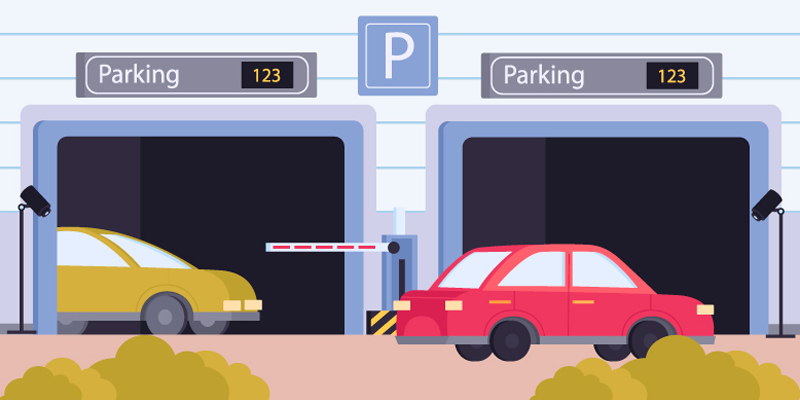
Zoning Ordinances (Municipal/Local Level)
The first step in compliance is confirming the property’s zoning designation with your local planning or development department. Zoning laws dictate how a property can be used. For example, residential zoning typically allows uses like parking or storage of household items. However, zoning laws are specific, and any commercial use of the garage, like operating a workshop, using the space for inventory storage, or running a business like a shipping depot, may violate these laws.
A common issue arises when tenants attempt to use the garage for activities that go beyond what the zoning allows. For instance, using the garage for commercial storage can violate residential zoning regulations designed to maintain the neighborhood’s character. Importantly, the property owner, not the tenant, is typically held responsible for ensuring compliance with these zoning laws. Suppose the renter’s use of the garage violates municipal ordinances (for example, by increasing traffic or displaying inventory outside). In that case, the municipality will impose fines or legal penalties on the property owner, not the renter. Therefore, the property owner must verify that any activity carried out by the renter complies with local zoning ordinances.
Homeowners Association (HOA) & Condominium Bylaws
For properties within a Homeowners Association (HOA) or a Condominium Corporation, the owner is also required to review the Declaration, Covenants, Conditions, and Restrictions (CC&Rs) carefully. These documents govern how properties within the community can be used, including restrictions on garage use. HOAs often impose strict rules about renting or using garages. For example, many HOAs explicitly prohibit the use of garages for commercial purposes or even restrict their use for anything other than parking. Some HOAs may limit or prohibit long-term storage or renting the space for purposes other than parking.
Violating HOA rules can result in substantial fines or even legal action. If the property owner fails to comply with these regulations, the HOA may require the termination of the rental agreement. To avoid such issues, the property owner must structure the rental agreement carefully. The contract should include clauses that restrict the use of the garage in a way that aligns with both zoning laws and HOA rules. It should clearly specify that any violation of these external regulations—whether related to commercial use or long-term storage—constitutes an immediate breach of the agreement, giving the owner the right to terminate the rental.
- Verify Zoning: Always check with local authorities to ensure your garage rental complies with zoning regulations, especially regarding commercial use.
- Review HOA/Condo Rules: Ensure that renting out the garage doesn’t violate HOA or condo bylaws, which often have strict restrictions on garage use.
- Contractual Safeguards: Draft your rental agreement to reflect zoning and HOA requirements clearly, and include clauses that allow for quick termination in the event of a breach.
Lease Agreement Protections & Contract Terms
A well-drafted lease or license agreement protects both the property owner and the renter. This document defines the rights, responsibilities, and obligations of both parties, sets the rules for the use of the contract, and establishes a straightforward process for terminating the agreement. Without a proper agreement, the property owner could face legal and financial risks.
Core Contractual Elements
- Identification of Parties and Property: The agreement should clearly identify both the lessor (property owner) and lessee (renter). It must also include a detailed description of the rented property, noting its size, location, access points, and any shared spaces or limitations on use (e.g., if the renter has access only to a specific part of the garage).
- Term, Rent, and Security Deposit: Define the lease duration (e.g., month-to-month or fixed term), the exact rental amount, and the payment schedule (including due dates and acceptable methods of payment). Clearly state terms for late fees if rent is not paid on time. Additionally, outline the rules for the security deposit, ensuring compliance with local laws regarding allowable amounts, retention, and return conditions.
- Owner Access Rights: This clause is significant for license agreements, where the owner must retain some control over the garage. The agreement should explicitly grant the owner the right to enter the space with advance notice (typically 24 to 48 hours) for inspections, repairs, or showings. The owner should also retain the right to immediate access in emergencies, such as fire or flooding. This clause prevents the renter from claiming exclusive possession of the space, reinforcing the non-residential nature of the agreement.
The Permitted Use Clause
The permitted use clause is essential in protecting the property owner from regulatory violations and minimizing liability risks. It should include:
- Define Purpose: Clearly state the permitted use of the garage, such as “storage of household goods” or “parking of one vehicle” (with specific details like make, model, and license plate number). Defining the purpose restricts the use to what is agreed upon and prevents unauthorized activities.
- Prohibited Activities: Strictly prohibit activities such as habitation, sleeping, working (including vehicle maintenance), or conducting commercial operations. This ensures the garage is used only for its intended purpose and avoids potential zoning issues or liability concerns.
- Prohibited Items: Explicitly forbid the storage of dangerous or restricted items, including flammable materials, explosives, illegal substances, perishable goods, and anything that might pose a risk (such as pest-attracting items). This clause protects the property owner from exposure to severe liability.
Termination and Abandoned Property Protocol
The agreement must clearly outline the conditions and process for termination. Because rental arrangements for storage often involve the risk of abandoned property, the contract should specify the owner’s rights and responsibilities in this situation.
- Termination: Define under what circumstances the rental agreement can be terminated, and provide a transparent process for doing so, including required notice periods.
- Abandoned Property: The contract should grant the owner the right to remove, store, and dispose of abandoned items according to local laws. If the tenant leaves items behind, the owner can charge the tenant for the costs associated with removal and storage. This clause helps protect the owner from being burdened with abandoned goods and provides a clear protocol to follow.
Non-Assignment/Subletting Clause
A Non-Assignment/Subletting Clause prevents the renter from transferring the agreement to a third party. This clause ensures the maintenance of the personal nature of the agreement, especially in license agreements, where the renter typically cannot transfer or sublet the space. The clause helps allow the owner to maintain control over who is using the garage space and under what conditions.
Tax and Fiscal Obligations for Garage Rentals
Renting out your garage generates taxable income. Whether you are in the US or Canada, you are legally required to report this income. However, you are also entitled to deduct specific expenses, which can lower your tax bill. To do this effectively, you must keep detailed records.
US Tax Obligations (IRS)
In the United States, you must report all rental income on your tax return, generally using Schedule E (Supplemental Income and Loss).
The “15-Day Rule” (Tax-Free Exception)
There is a specific exception known as the “Augusta Rule” that benefits homeowners:
- The Rule: If you rent out a part of your primary residence (like an attached garage) for less than 15 days in a tax year, you do not have to report the income.
- The Catch: You cannot claim any rental expense deductions for this period.
Deducting Expenses for Long-Term Rentals: If you rent the garage for 15 days or more, you must report the income, but you can deduct “ordinary and necessary” expenses. Because the garage is likely part of your home, you must split expenses between “personal use” and “rental use.”
How to Calculate Deductions: You generally allocate expenses based on square footage. For example, if your garage represents 10% of your home’s total square footage, you can deduct 10% of the shared expenses.
Common Deductible Expenses:
- Shared Costs: Mortgage interest, property insurance, and property taxes (allocated by percentage).
- Direct Costs: Repairs specific to the garage, professional fees (legal/accounting), and potentially depreciation of the garage structure.
Keep a separate ledger for rental income. Save all receipts and document exactly how you calculated the square footage percentage to withstand an IRS audit.
Canadian Tax Obligations (CRA)
In Canada, all rental income must be reported to the Canada Revenue Agency (CRA), typically on Form T776 (Statement of Real Estate Rentals).
Deductible Expenses
Similar to the US, you can deduct expenses incurred to earn rental income. These must be allocated based on the portion of the property used for rental.
- Allowable Deductions: Advertising, insurance premiums, mortgage interest, property taxes, utilities, and maintenance costs.
GST/HST Rules for Garages
The rules regarding Goods and Services Tax (GST) or Harmonized Sales Tax (HST) are distinct for garages because they are often viewed differently from residential apartment rentals.
- The Small Supplier Exception: Most homeowners do not need to collect GST/HST. If your total worldwide taxable income (from commercial activities) is less than $30,000 CAD in a single year, you qualify as a “Small Supplier” and are not required to register for or collect GST/HST.
- Commercial vs. Residential Status: If you exceed the $30,000 threshold, you must register.
- Warning: Standalone rentals of parking spaces or storage units are often classified as commercial supplies, making them taxable. Unlike a standard residential lease (which is exempt), renting a garage to someone who does not live in your building typically attracts GST/HST if you are not a Small Supplier.
Monitor your total income from all commercial sources. If you stay under the $30,000 threshold, you don’t need to worry about charging sales tax.
Managing legal paperwork has never been easier. With RunSensible Forms, you can quickly fill out all essential documents like rent receipts, move-in checklists, and liability waivers, keeping you compliant and organized.
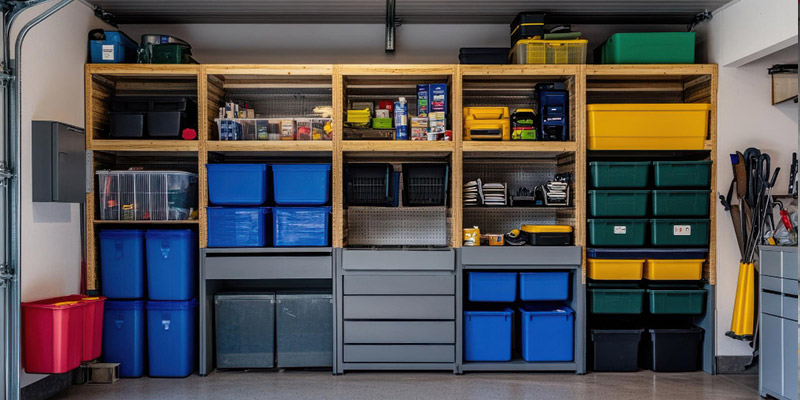
Insurance, Liability, and Risk Mitigation for Garage Rentals
Renting out a private garage introduces new legal and financial risks. Property owners need to adjust their insurance coverage and implement risk mitigation strategies to protect themselves, the property, and their renters.
Owner Premises Liability
As a property owner, you have a legal duty to ensure that the premises are safe. If you’re deemed negligent in maintaining the property, and that negligence causes injury to the renter or their visitors, you could be held liable for damages. Examples of negligence include:
- Structural defects (e.g., a weak foundation or unsafe door)
- Trip hazards (e.g., exposed wires or uneven flooring)
- Known property defects that go unaddressed
Key points to note:
- Homeowners insurance policies are designed for personal use and often exclude coverage for rental activities. Without proper notification to your insurer, these policies may void or limit coverage for incidents related to renting out your garage.
- It is critical to contact your insurance provider to update or expand your coverage, either with a landlord endorsement or a commercial liability policy to cover any liabilities arising from rental activities.
Coverage for Stored Property
It’s important to note that your homeowners’ insurance does not cover the tenant’s belongings. While homeowners’ policies offer off-premises personal property coverage, this is typically limited to the owner’s items and is capped at a small percentage (e.g., 10%) of total coverage.
To protect against damage to tenant property, you should require renters to obtain their own insurance. Make this a contractual obligation to cover the tenant’s belongings from risks such as fire, theft, or water damage. This coverage will help avoid financial responsibility for any loss or damage to the renter’s items.
Structural Damage and Renter’s Liability
In addition to covering personal property, ensure your homeowners’ insurance protects you from structural damage caused by the renter, even if accidental (e.g., fire damage). Most standard homeowners’ policies may not cover this, so it’s essential to secure a “Damage to Rented Premises Liability” endorsement. This endorsement will ensure coverage in case the renter causes damage to the property.
Tenant liability insurance may not cover damage to the structure, so having this specific endorsement will provide the necessary protection.
Security and Garage Preparation
Proper preparation and access management are essential for protecting your property and minimizing risk. Before transferring possession of the garage, conduct a thorough inspection to ensure the space is clean and structurally sound. Document the garage’s condition with a move-in checklist—this will serve as a reference in case of damage claims later.
To safeguard against unauthorized access, ensure that any previous keys, codes, or openers are replaced. If the garage is shared, clearly define restricted areas. Maintain a record of all access devices provided to the renter, which can help defend against claims of theft or unauthorized entry.
Liability Considerations
- Owner Liability: As a property owner, you are legally responsible for maintaining a safe environment. Failure to do so could result in liability for injuries caused by negligence. Make sure your insurance is updated to cover rental activity.
- Homeowners Insurance: Standard homeowners insurance may not cover rental activities. To ensure adequate protection, notify your insurance provider and consider additional coverage options like a landlord endorsement or commercial policy.
- Tenant’s Property Insurance: Mandating renters’ insurance protects both the tenant’s property and the owner from potential claims of loss or damage to stored items.
- Structural Damage Coverage: Verify that your insurance covers structural damage caused by renters. Tenant insurance may not cover this, so ensure you have the necessary endorsement to protect your property.
Documentation and Required Forms
Meticulous record-keeping is mandatory for independent property owners to ensure compliance, simplify tax filing, and provide necessary evidence in case of disputes. The following forms and documents are essential for legally renting out a private garage space:
| Document Type | Purpose | Required For |
| Lease or License Agreement | Defines terms, permitted use, access rights, payment, and termination protocols.8 | Legal Proof, Compliance, Termination |
| Tenant Screening/Application Form | Collects contact information, vehicle details (if applicable), and verifies identity.9 | Verification, Emergency Contact |
| Property Inspection / Move-In/Out Checklist | Documents the condition of the space at the start and end of the agreement. Must be signed by both parties.25 | Liability/Damage Claims, Security Deposit Adjudication |
| Rent Receipts / Payment Ledger | Detailed, dated record of all income received and balances due.25 | Tax Filing, Proof of Non-Payment |
| Certificate of Insurance (Tenant) | Formal verification that the renter maintains required liability and property coverage.23 | Risk Mitigation |
| Tax Record Documentation | Invoices, repair receipts, and allocation calculations for deductible expenses.13 | Annual Tax Filing (IRS Sch E or CRA T776) |
| Abandonment Notification Notice | Formal, certified written warning sent to the tenant before the disposal of abandoned property.12 | Compliance with Disposal Laws |
The Property Inspection / Move-In Checklist is often overlooked in garage rentals, yet it provides the best defense against claims of property damage. The owner must be able to prove the condition of the property at the start of the rental to legally justify withholding a security deposit for damages (e.g., new oil stains or structural damage). This requires conducting a simple photographic inspection and having the renter sign off on the initial condition.
Additional Legal Documentation and Forms
In addition to the basic forms, property owners should be aware of other key legal documents that may be necessary throughout the rental process:
Rental Agreement Addendums or Amendments
Suppose there are any updates or changes to the original rental agreement (e.g., changes in payment terms or the permitted use of the space). In that case, these should be documented with addendums or amendments. This ensures that both parties are clear on any modifications to the initial agreement, keeping everything legally sound.
Tax Forms for Rental Income
- In the United States, rental income must be reported on Schedule E of your tax return. Any allowable expenses related to the rental (e.g., maintenance, utilities, or insurance) can typically be deducted. Keeping detailed records of income and expenses is necessary to ensure tax compliance.
- In Canada, income from renting out the garage is reported on Form T776 (Statement of Real Estate Rentals). Similarly, keep track of rental expenses such as repairs, insurance, and any professional fees.

Legal Notices (e.g., Termination or Eviction Notices)
If there is a need to end the rental agreement (for non-payment or violation of terms), property owners must follow local laws regarding termination or eviction. Depending on the jurisdiction, specific legal forms may be required to notify the tenant formally.
The Importance of the Property Inspection / Move-In/Out Checklist
One of the most crucial documents in this process is the Property Inspection / Move-In/Out Checklist. Unfortunately, this document is often overlooked in garage rentals, but it is a key defense against claims of property damage. Here’s why:
- Documenting the Condition: This checklist provides a thorough record of the garage’s condition at the time the rental begins. It should include details such as any existing damage, cleanliness, and the general state of the garage.
- Security Deposit Protection: If the tenant causes damage during the rental period (e.g., oil stains, structural damage), the checklist acts as evidence to justify withholding part of the security deposit. Without this documentation, you risk losing the ability to prove the damage wasn’t caused during the rental.
- Photographic Documentation: Taking photos of the garage’s condition during the inspection can further strengthen your case in case of disputes. Make sure both you and the renter sign off on the checklist, acknowledging the recorded condition.
Don’t leave your property vulnerable—use RunSensible Forms to easily find and fill out insurance and liability documents online, keeping your garage rental secure and legally covered.
Final Thoughts
Successfully renting a private garage space hinges entirely on proactive legal compliance and clear contractual structuring. Property owners are strongly advised to adopt the following actionable recommendations:
- Prioritize the Contract: Always utilize a written agreement, structured preferably as a non-residential license, explicitly prohibiting habitation, defining limited use (parking or storage only), and detailing terms for owner access and termination.
- Compliance is Local: Verify all local zoning ordinances and HOA/Condo bylaws before advertising the space. The owner is ultimately responsible for the tenant’s non-compliance in these areas.
- Transfer the Risk: Notify your insurer of the rental activity and obtain the appropriate liability and damage endorsements. Further, mandate that the renter provide proof of their own insurance to cover their property and liability.
- Tax Documentation: Maintain meticulous, segregated records of income and allocated expenses, including supporting documentation to justify the square footage used for tax deductions.
FAQs
Is a verbal agreement sufficient for renting my garage space?
No, a verbal agreement is not legally sufficient and exposes the property owner to unnecessary legal risks. Without a written agreement, it becomes difficult to enforce the rental terms and resolve disputes. A written Lease or License agreement is essential to clearly define the terms of use, payment schedules, and liability limitations. It provides a necessary legal framework for the termination of the contract and dispute resolution, ensuring both the property owner and renter are protected.
Do I need a notary to validate the garage rental agreement?
Generally, a standard garage lease or license agreement does not require notarization, especially for short-term rentals (e.g., less than one year). However, in some jurisdictions, notarization may be required if the rental term exceeds a certain duration (e.g., three to seven years). It’s always a good idea to check local laws to determine if notarization is necessary to ensure the agreement is fully enforceable.
Do I have to declare the income from renting my garage?
Yes, all income received from renting out a garage must be reported as gross income in both the US and Canada. The only significant exception in the US is the IRS 15-day rule: if the garage is part of your personal residence and is rented out for less than 15 days per year, the income is not taxable. Otherwise, it must be declared on your Schedule E (US) or Form T776 (Canada) for tax purposes. Ensure that you keep accurate records of the rental income and any related expenses to facilitate your tax filing.
Does my tenant have the same “tenant protections” as a residential apartment renter?
No, not if the rental agreement is clearly structured as a non-residential lease or license. As long as the deal prohibits habitation explicitly, sleeping, or other residential activities, and the usage is limited to parking or storage, the renter does not have the same legal protections as a residential tenant. This non-residential status allows the property owner to use simpler eviction procedures, typically without the need for formal court involvement, should the tenant violate the agreement.
If a tenant abandons the property, can I throw it away?
No. If a tenant abandons their property, the property owner must follow specific legal procedures for dealing with abandoned property. These laws often supersede any provisions written in the rental agreement. The required steps typically include:
- Creating an inventory of all abandoned items (with photos).
- Securely storing the items in a safe location.
- Sending a formal, certified notification to the tenant, informing them of the abandonment and providing details about retrieving their property.
- Observing the statutory holding period (which can range from days to weeks, depending on local laws).
- If the tenant does not reclaim the items within this period, the owner may dispose of or sell the items. If the items have value, a public auction may be required, with proceeds used to cover the owner’s costs (e.g., removal, storage). Any remaining funds should be returned to the tenant or transferred to the state if unclaimed.
Can I evict a tenant from my garage without going to court?
No. Property owners cannot evict a tenant without following the proper legal procedures. Even if the rental agreement is non-residential, attempting a self-help eviction—such as changing locks, shutting off utilities, or removing the tenant’s belongings—can expose the owner to significant liability. To legally evict a tenant, the owner must follow the termination procedure in the agreement and comply with local laws, which typically involve filing a formal complaint with the court to secure a court order for eviction.
Resources
- WHEN TO USE A LEASE, LICENSE, EASEMENT – University of California, Santa Cruz
- CASUAL LEGAL: Is it a Lease or a Licence, and Does it Even Matter? – AB Munis
- How To Handle Rental Storage Unit Evictions – Innago
- How to Rent Out a Garage Space in Oklahoma – Yourokc Property Manager
- 647 Special Permit Uses | Phoenix Zoning Ordinance – Phoenix Municipal Codes
- What Type of Zoning Is Needed for Self-Storage Units? – Investment Real Estate
- Garage Lease Agreement – United States – Genie AI
- How To Rent Your Garage for Storage or Parking Space – Rocket Lawyer
- Publication 527 (2024), Residential Rental Property – IRS
- Rental Income and Expenses – Real Estate Tax Tips – IRS
Contents